
Home ➤ Dogs ➤ How Much Time Does A Dog Really Need Every Day?
Living with dogs for years, majority behavioral problems show there is not enough of the right kind of daily time. A dog’s needs go far beyond a morning walk and when those needs go unmet, the consequences show up in ways that frustrate even the most well meaning owners.
This guide breaks down exactly what a dog needs from you every single day, drawn from what actually works in real homes with real dogs.
Why Getting a Dog Is a Bigger Daily Commitment Than Most People Expect
Many people think that getting a dog is like picking up a new hobby. Something you do when you have free time and skip when life gets busy. But that idea falls apart very quickly after a dog comes home.
A dog needs your time every single day, not just when it is convenient for you. Within the first few weeks of dog ownership, most new owners wonder how to decide if i should get a dog. A dog is not something you can pause. It becomes part of your daily routine whether you planned for it or not.
There is also a very common belief that a quick morning walk is all a dog really needs. That is not true. The time a dog needs every day covers several different things exercise, mental activity, grooming and spending time together. All of these matter and skipping any one of them creates problems.
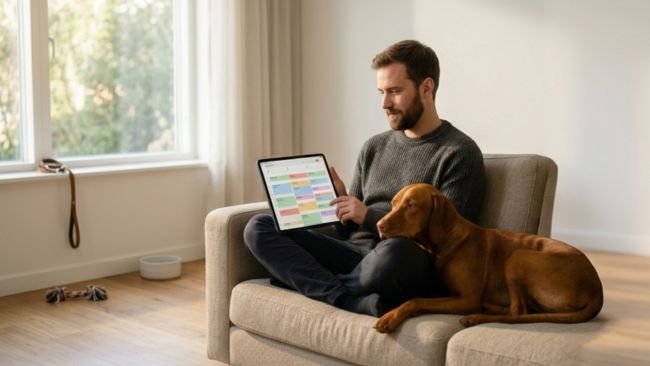
Dogs being social animals, they lived in groups for many years. They were always around other animals, always active and engaged. When a dog is left alone for too long with nothing to do, it does not just get bored but gets stressed. And that stress shows up as barking, chewing furniture or other behaviors that frustrate owners.
Owning a dog means giving it your time every day, which keeps your dog healthy, happy and well behaved.
What Daily Time Commitment for a Dog Actually Includes
Time for a dog, does not just mean only walking. There are four main areas that make up a dog’s daily care:
- Exercise and walks to keep the body active and healthy.
- Mental stimulation to keep the brain busy and engaged.
- Grooming and hygiene to keep the body clean and comfortable.
- Bonding and companionship to spend time together and build trust.
Each of these areas is important. If you only focus on walks and skip everything else, your dog will still have unmet needs. A well cared for dog gets attention across all four areas every single day.
How Much Exercise Does a Dog Need Every Day Based on Breed and Energy Level
Exercise is one of the key factors to consider when choosing the right dog. And for good reason, it is one of the most important parts of keeping a dog healthy.
But exercise is not just about tiring your dog out. When a dog moves its body regularly, it produces fewer stress hormones, its joints stay healthier for longer, and it has a healthy outlet for all that energy. Without enough exercise, that energy does not disappear, it just comes out in other ways, like destroying your shoes or barking at nothing.
High Energy Breeds Need a Lot of Exercise
Some dogs were bred to work hard all day. Huskies were built to pull sleds across snow for hours. German Shepherds were bred for police and military work. Vizslas were bred to run through fields hunting alongside their owners. These dogs have energy built into their genetics, and it does not go away just because they live in a house.
If you have a high energy breed, expect to spend 90 to 120 minutes on physical activity every day. That does not have to be one long walk in fact, splitting it into two or three sessions throughout the day works better for most dogs.
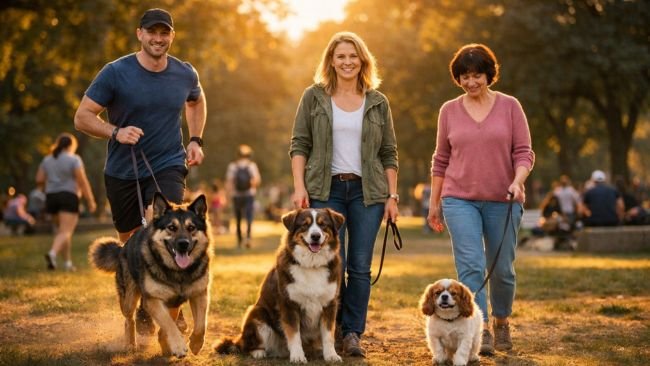
Medium Energy Breeds Are More Manageable
Breeds like Labradors, Golden Retrievers, and Cocker Spaniels sit in the middle. They are active and playful, but they do not have the same relentless energy as working breeds. Around 60 to 90 minutes of daily activity like walks, fetch, free play in the garden, keeps these dogs happy and healthy.
This is also the range that most working families find manageable. A morning walk and an evening play session can cover this without too much difficulty.
Low Energy Breeds Still Need Daily Movement
Bulldogs, Basset Hounds and older dogs of most breeds do not need intense exercise. But they still need to move every day. Around 30 to 45 minutes of gentle walking and light activity is enough to keep their weight healthy, prevent stiff joints and stop boredom from setting in.
Less energy does not mean no routine. Consistency still matters for these dogs.
Why Letting Your Dog Sniff on Walks Matters More Than Walking Fast
Many dog owners are not aware that letting their dog stop and sniff during a walk is not wasted time. It is actually some of the most enriching activity a dog can do.
Dogs understand the world through smell far more than through sight or sound. A slow 20 minute walk where your dog gets to sniff freely can be more satisfying for them than a fast 45 minute walk on a tight lead. So do not rush your dog past every interesting smell those moments matter.
How Mental Stimulation for Dogs Is Just as Important as Physical Exercise
Physical exercise gets a lot of attention and in some cases, even more tiring for your dog. However, mental stimulation is just as important, which is one of the reasons why dogs are the best companions.
After a day of solving problems at school or work, if you feel more exhausted than after a day of just walking around, the same is true for dogs. Using their brain wears them out in a very satisfying way.
Why Short Training Sessions Calm Hyperactive Dogs Better Than Long Walks
A short training session of just 15 to 20 minutes of practicing commands, learning new tricks, or working on problems can calm a hyperactive dog more effectively than a long walk. This is because training activates the parts of a dog’s brain that need engagement. It gives them a job to do and dogs feel good when they have a job.
How Often Should You Train Your Dog Each Day
You do not need to block out a long time for training but multiple short sessions of 5 to 10 minutes spread across the day work better than one long session. Dogs learn faster in short bursts and it is easier to fit into a busy day.
A few minutes in the morning, a few after dinner and your dog is getting consistent mental engagement without it feeling like a big effort.
Best Enrichment Activities to Keep Your Dog Busy When Home Alone
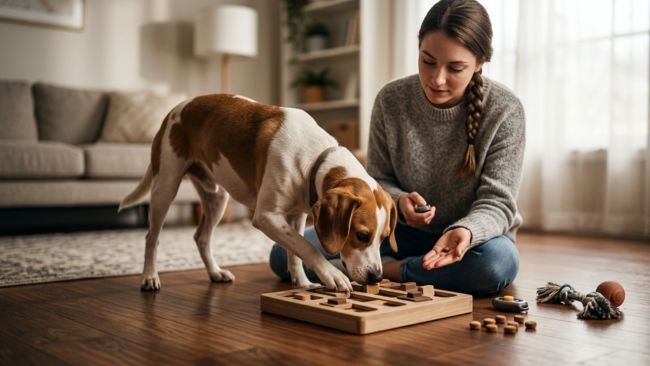
When your dog is home alone, enrichment tools become very important. Puzzle feeders are toys that your dog has to figure out in order to get food out of. Lick mats keep dogs occupied by giving them something to lick slowly. Scent games hiding treats around the house for your dog to find tap into their natural hunting instincts.
These tools do not replace your presence, they make the time your dog spends alone much less stressful. A dog with something to do is far less likely to chew the furniture or bark at the walls.
How Much Time Dog Grooming and Daily Hygiene Actually Takes
Grooming does not always mean a full bath or a trip to the groomer. There are small daily habits that take very little time but make a significant difference to your dog’s health.
Daily Grooming Checks That Prevent Bigger Health Problems
Spending 10 to 15 minutes each day on brushing, checking your dog’s paws and inspecting their coat helps you spot problems early. A small cut on a paw pad, a developing skin irritation or a mat beginning to form in the fur, are easy to deal with early and difficult to deal with later.
Daily checks are a simple habit that saves you bigger problems down the line.
Why Brushing Your Dog’s Teeth Every Day Is So Important
Dental disease is one of the most common health problems in dogs and it is largely preventable. Brushing your dog’s teeth for just one to two minutes every day dramatically reduces the risk. It sounds like a small thing, but dental disease causes real pain for dogs and leads to expensive treatment costs.
Most dogs can be trained to accept tooth brushing from a young age. Starting early makes it much easier.
How Much Attention and Companionship Does a Dog Need From Its Owner Every Day
Apart from just food and shelter, dogs need your time, presence and engagement to stay emotionally healthy. The amount varies by breed and age, but most dogs benefit from a combination of passive companionship and active bonding throughout the day.
Why Simply Being Near Your Dog Counts as Bonding Time
Many new dog owners are surprised when dogs do not need you to be actively playing with them every moment of the day, but your presence. A dog lying on the floor while you work at your desk is still benefiting from being near you. That proximity reduces their anxiety and makes them feel secure.
You do not need to entertain your dog every waking hour. But your dog does need to know that you are there and that your schedule is predictable.
How Active Bonding Time Makes Your Dog Calmer and Better Behaved
There is real value in time where you are actively engaged with your dog. Playing together, grooming them, talking to them, training together, these interactions build trust in a way that passive presence cannot fully replace. Dogs that have regular active bonding time with their owners tend to be calmer, more obedient and more emotionally stable.
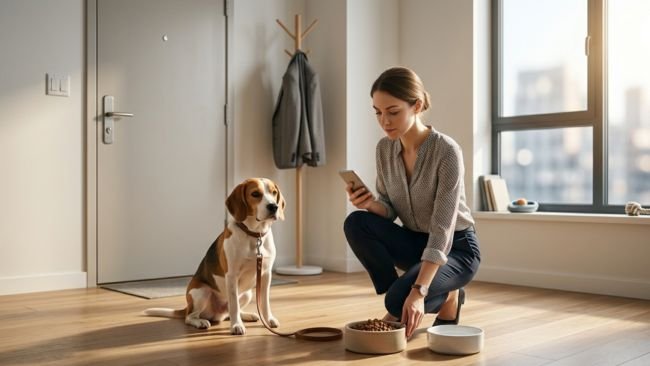
Even 20 to 30 minutes of truly focused time with your dog each day makes a noticeable difference over weeks and months.
How Dog Care Time Requirements Change From Puppyhood to Senior Years
The time and energy a dog demands from you does not stay the same across its life. Each stage puppyhood, adulthood and the senior years has its own care priorities and understanding what to expect at each phase which helps you plan and stay consistent as your dog grows.
How Much Time and Attention Does a Puppy Need Every Day
The puppy stage is the most demanding period of dog ownership. Puppies need to be supervised almost constantly because they get into everything. They need to be taken outside frequently for toilet training, need socialization, meeting other dogs, other people and experiencing different environments during a developmental window that closes faster than most owners expect.
This stage is exhausting when bringing a dog home for the first time, but the habits and routines built during puppyhood shape how your dog behaves for the rest of its life. Time invested early pays off for years.
How Much Daily Routine Does an Adult Dog Need to Stay Well Behaved
Once your dog reaches adulthood and a stable routine is in place, daily care becomes much more predictable. Adult dogs do best when things happen at the same time each day walks, meals play and sleep. Consistency is what keeps adult dogs settled and well behaved.
For people who work full time, this is generally the easiest stage to manage.
How to Care for a Senior Dog and How Much Time It Takes
As dogs get older, they slow down. They need less intense exercise, but more careful monitoring. Changes in appetite, energy, movement or behavior can signal health issues that need veterinary attention. Time with a senior dog shifts from high energy activity toward quieter companionship and attentive observation.
How to Manage Dog Care Every Day When You Work Full Time
Owning a dog while working full time is one of the most common concerns prospective owners have and one of the most manageable with the right approach. The goal is not to be home all day, but to build a daily structure that meets your dog’s needs reliably within the hours you do have.
Is It Possible to Own a Dog If You Have a Full Time Job
Owning a dog, while working full time job requires honest planning. A dog left alone for eight or more hours daily without any enrichment or support will develop problems. That is not a question of the dog being difficult, it is simply what happens when social animals are isolated for too long without anything to do.
With the right structure, full time working dog owners can absolutely provide a good life for their dog.
How Long Can You Safely Leave a Dog Home Alone
Most adult dogs can manage being alone for six to eight hours when they have been properly trained and have enrichment available. Going beyond that regularly day after day without any break, creates stress that builds up over time and surfaces as behavioral problems.
If your working hours regularly exceed eight hours, a midday dog walker or a trusted neighbor who can check in makes a significant difference.
A Simple Daily Dog Care Schedule That Works for Busy Owners
A practical daily routine for a working dog owner might look like this:
- Morning: 60 to 90 minutes of exercise and training before work.
- Midday: A short walk, a dog walker visit or refreshed enrichment toys.
- Evening: 60 to 90 minutes of activity, play and bonding time.
- Night: A calm wind down, a short walk, some quiet time together then sleep.
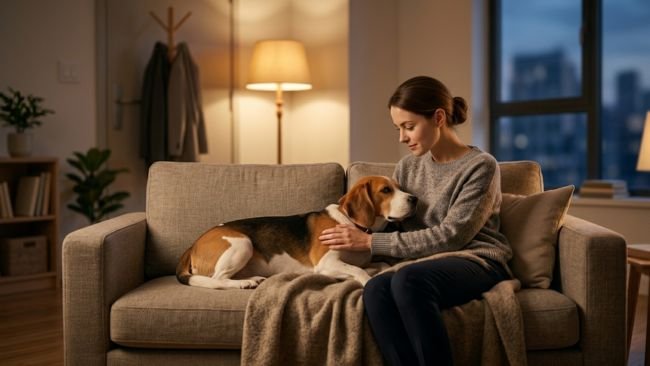
What Happens to a Dog That Does Not Get Enough Daily Time and Attention
Dogs cannot communicate unmet needs the way people can, so they express them through behavior and physical decline. Understanding what neglect of daily care actually looks like even unintentional neglect which helps owners course correct before problems become entrenched.
Common Behavioral Problems in Dogs That Are Not Getting Enough Time
When dogs do not get enough exercise, mental stimulation or social interaction, they find their own ways to cope which rarely things owners enjoy. The most common signs include:
- Barking excessively, especially when left alone.
- Chewing furniture, shoes or household objects.
- Being unable to settle or relax indoors.
- Showing anxiety when owners leave or prepare to leave.
These behaviors are very commonly blamed on the dog’s personality or breed. They are almost always a response to unmet needs. Addressing the root cause, more exercise, more enrichment or more consistent routine resolves most of these issues far more effectively than punishment or correction.
How Lack of Daily Care Affects a Dog’s Physical Health Over Time
Chronic stress does not just affect how a dog behaves. It affects how a dog’s body functions. Dogs under prolonged stress have weaker immune systems, are more prone to digestive issues and age less well. Consistent daily care is not just about good behavior but a genuine health requirement.
Frequently Asked Questions About How Much Time a Dog Needs Every Day
How many hours a day does a dog need your attention?
Most dogs need between two and four hours of combined care, exercise and interaction spread across the day. This includes walks, training, grooming and time spent together. It does not all have to happen at once.
How much time should you spend with your dog each day?
Beyond exercise and grooming, try to spend at least 20 to 30 minutes of focused active time with your dog daily playing, training or simply engaging with them directly. Passive time spent near each other also counts toward their sense of security.
How long can a dog be left alone during the day?
Most adult dogs can manage six to eight hours alone when properly trained and given enrichment activities. Puppies and senior dogs should not be left alone for that long. If you regularly work longer hours, arranging a midday visit is strongly recommended.
Can you have a dog if you work a 9 to 5 job?
Many working people have dogs successfully. The key is having a structured morning and evening routine, using enrichment tools during the day and arranging a midday check in when possible. The dog’s breed and energy level also matters, a low energy breed is generally a better fit for full time workers.
How much time does a puppy need compared to an adult dog?
Puppies need significantly more time than adult dogs. They require frequent toilet breaks, constant supervision and active socialization during their early months. Expect the puppy stage to demand several hours of direct attention daily. Adult dogs, once settled into a routine, are much more manageable.
Do dogs get sad or depressed if they are left alone too much?
Dogs that are regularly left alone for long periods without adequate enrichment or social interaction can develop symptoms that look a lot like depression, low energy, loss of appetite, withdrawal and disinterest in activities they normally enjoy. Separation anxiety is also common and can become a serious behavioral issue.
How much exercise does a dog need per day at home?
Without going outside, dogs can be exercised through indoor games, tug of war, fetch in a hallway or mental enrichment activities. Outdoor exercise is still important for most breeds. The amount depends on breed and age, ranging from 30 minutes for low energy dogs to 90 to 120 minutes for high energy breeds.
Is one walk a day enough for a dog?
For most dogs, one walk a day is not sufficient. Two walks daily, one in the morning and one in the evening is a more realistic minimum for most breeds. High energy breeds may need more. Mental stimulation and play sessions should supplement walks regardless of how many you do.
What happens if a dog does not get enough exercise?
A dog that does not get enough exercise typically becomes restless, destructive and difficult to manage indoors. Over time, lack of exercise also contributes to weight gain, joint stiffness and a weakened immune system. Behavioral problems and physical health problems often develop together in under exercised dogs.
How do I know if my dog is getting enough attention and stimulation?
A dog that is getting enough daily care is generally calm indoors, sleeps well, eats regularly and does not engage in destructive behavior. If your dog is constantly restless, barking excessively, chewing things or showing signs of anxiety, it is usually a sign that something in its daily routine needs more attention.
Do small dogs need as much time and attention as large dogs?
Small dogs have the same emotional and social needs as large dogs, even if their exercise requirements are lower. They still need mental stimulation, bonding time, grooming and routine. Some small breeds are actually quite high energy and require more activity than their size suggests.
How much time does it take to train a dog every day?
Daily training does not need to be long to be effective. Three to five short sessions of 5 to 10 minutes each is more productive than one long session. Consistency over time matters far more than the length of any single training session.
Is the Daily Time Investment in a Dog Worth It?
A dog besides being most rewarding companions a person, it is also a real daily commitment. It is not something that works on your schedule alone. It needs time from you every single day, across exercise, mental engagement, grooming and companionship.
For most dogs, the realistic daily time investment falls between two and four hours spread across the day. That number shifts depending on your dog’s breed, age and energy level but the consistency behind it never changes.
When that time is given regularly and with care, the result is a dog that is calm, healthy, well behaved and genuinely happy to be with you. That is a relationship worth building.
Before making the final decision, take time to understand how to decide if you should get a dog based on your lifestyle, the most important question to ask yourself is not which breed you want or what name you will give it. Ask can I give a dog the time it needs, every day for the next ten to fifteen years? If affirmative, dog ownership is one of the best decisions you can make.
By Pettopedia Editorial Team
Pet Care Research & Content Team
Pettopedia Editorial Team is dedicated to helping pet parents make informed and confident decisions for their pet companions. Our articles are created through in depth research, practical insights with a strong understanding of animal behavior, nutrition and everyday pet health needs. Each piece is written to provide clear, reliable and actionable guidance that pet parents can trust.
Every Pettopedia article is carefully reviewed and updated to ensure accuracy, relevance and alignment with current pet care best practices. By combining a structured, long term content roadmap with a commitment to authenticity, Pettopedia aims to be the definitive digital encyclopedia for the modern pet parent. We aim to deliver content that is not only informative but also genuinely helpful in real life situations, which will help you and your pets thrive.