
Home ➤ Dogs ➤ Daily Dog Care Routine
The main dog behavior problems do not arise from a “bad” dog, but from a chaotic schedule they follow. For a dog living in a world where it never knew when next meal was coming, or if it was allowed to use the restroom, it might chew a hole in the sofa as well. A structured routine for dogs is the secret sauce to a calm and happy household. By aligning your pet’s biological needs with a predictable dog lifestyle routine and understanding the pros and cons of owning a dog in modern households, you can reduce anxiety, prevent obesity and potentially add years to your best friend’s life.
This article breaks down the three pillars of canine health – feeding, exercise and hygiene. Building a routine for pet dogs does not require you to quit your job or move to a farm, but it depends heavily on choosing the right dog for your lifestyle and energy level. This is not an idealistic or perfect schedule, but a simple daily dog care routine for beginners and busy professionals designed to work in the real world. Whether you are navigating dog routine for apartment living or managing a high energy breed in the suburbs, this framework is developed to help you succeed.
Understanding Your Dog’s Unique Needs
Every dog is a unique biological puzzle. Before you decide what time to set the alarm, you have to look at the age, breed and lifestyle factors that determine how much activity and rest your specific pet actually requires.
Factors That Influence Daily Routine
The best daily routine for indoor dogs is never a “one-size-fits-all” template. A senior Pug in a London flat has a vastly different dog daily schedule than a young Border Collie on an Australian ranch. When looking at how to take care of a dog daily, consider these factors:
- Age: Puppies need a daily routine for dog at home step by step focusing on frequent toilet breaks, while seniors need a dog health routine that prioritizes joint comfort.
- Breed & Energy: A Bulldog might consider a walk to the mailbox a marathon, while a Labrador is just getting warmed up.
- Living Environment: Dog routine for apartment living requires more intentional outdoor blocks than a home with a fenced yard.
A dog routine for working professionals should prioritize a more active and structured morning so the dog remains calm and rested during your time at the office.
Why “One Routine Fits All” Does not Work
Implementing a generic schedule is one of the most common dog care routine mistakes for first time owners If you try to fit a high energy breed into a low activity routine, problems like excess barking, destructive chewing and restless behavior start showing up. Dogs are wired differently and their daily needs reflect that. A working breed with high stamina will not adapt well to long periods of inactivity, just as a low energy dog does not need constant stimulation.
Instead of forcing a rigid schedule, build flexible routine for morning, midday and evening. This approach allows you to adjust your daily dog routine based on your lifestyle. If you work from home, you can include short midday play or training sessions to break up the day. If you have a busy schedule outside, you can compensate with a more structured and active morning and a focused evening routine.
This method creates a more practical and sustainable dog care routine at home, ensuring your dog’s physical and mental needs are met without overwhelming your own daily commitments.
Daily Dog Feeding Routine
Feeding time is the most important anchor in a dog’s day. A consistent dog feeding schedule supports energy, digestion and behavior. Also it regulates their energy levels and makes their bathroom habits predictable, leading to a clean house and a healthy weight. Using a consistent dog feeding schedule for adult dogs at home along with proper portion control for dogs daily feeding prevents overeating and related health issues.
How Many Times to Feed a Dog Daily Routine
Consistency in a dog feeding schedule is vital for house training and metabolic health where it directly affects how much time a dog actually needs each day in real life. Feeding at fixed times helps regulate digestion and creates predictable bathroom patterns, which makes training much easier especially for new owners building a dog care routine at home.
- Puppies: Usually 3-4 times per day to prevent blood sugar crashes.
- Adults: A dog feeding schedule for adult dogs at home typically consists of 2 meals.
- Seniors: Often stay on 2 meals, though portions may decrease as their metabolism slows.

Choosing the Right Dog Food and Portion Control for Dogs Daily Feeding
In Tier 1 countries like the US and UK, canine obesity is a massive concern. According to the Association for Pet Obesity Prevention, over 50% of dogs are overweight. Portion control for dogs daily feeding is the most effective tool you have. Always use a standard measuring cup. Whether you choose dry, wet or raw, ensure it meets nutritional standards for their life stage.
Best Time to Feed a Dog Morning or Evening
This calls for more about maintaining a consistent dog feeding schedule, rather than choosing between morning or evening timing.
- Morning Feeding: Usually between 7:00 AM and 8:00 AM, ideally after the first walk to prevent bloat.
- Morning Feeding: Usually between 7:00 AM and 8:00 AM, ideally after the first walk to prevent bloat.
- Treat Timing: Use treats for training blocks rather than random rewards to avoid “calorie creep” in your dog feeding routine for beginners.
Common Feeding Mistakes to Avoid
“Free feeding” (leaving food out all day) is a disaster for a structured routine for dogs. It makes it impossible to track appetite changes and ruins the “bathroom schedule.” Other traps include overfeeding human food which can lead to pancreatitis and inconsistent timing that leaves your dog feeling anxious and hungry.
Hydration: The Overlooked Daily Essential
Fresh water is a core part of a basic dog care routine. Ensure bowls are cleaned and refilled daily. A dehydrated dog might become lethargic or lose skin elasticity. If you are in a hotter climate like Australia or the southern US, keeping your dog hydrated all the time is not just a routine, but it can be life saver to prevent further problems from aggravating.
Daily Exercise Routine for Dogs
Exercise is the primary vent for a dog’s natural energy, which is why dogs make great pets when their physical and mental needs are properly understood. When a dog does not get enough activity, unused energy does not disappear – it gets redirected into unwanted behaviors like Chewing furniture, excessive barking, digging or hyperactivity which are often clear signs that the dog daily schedule is missing proper exercise.
A well planned daily exercise routine for dogs helps regulate not just physical health, but also behavior and mood. Regular activity reduces stress, prevents obesity and improves sleep patterns, strengthening the bond between the dog and owner, making training easier and more effective.
How Much Exercise Does a Dog Need Daily Routine?
Every breed has a “bank” of energy that must be spent. A proper daily exercise routine starts with understanding breed, age and overall health. If that energy is not used productively, it often shows up as restlessness, barking or destructive habits. The amount of exercise a dog needs is not fixed and varies as below:
- Low-energy dogs (e.g., Bulldogs): 20 – 30 minutes of light activity.
- Moderate-energy dogs (e.g., Labradors): 45 – 60 minutes of exercise.
- High-energy dogs (e.g., Border Collies): 60 – 120 minutes including mental stimulation.
Types of Daily Exercise: Walks Vs. Play
A balanced dog walking schedule per day should include at least one “sniffari” (a walk where the dog explores using its nose) and one “structured walk” (focused on movement and distance). Both serve different purposes, one satisfies curiosity while the other burns physical energy. Dogs also need mental stimulation to stay balanced. Activities like puzzle toys, basic training sessions or scent games challenge their brain and prevent boredom.
10 – 15 minutes of focused mental work such as nose work or problem solving games can tire a dog more effectively than a 30 – minute walk. Combining walks with play and mental tasks creates a more complete dog exercise routine, reduces unwanted behaviors, making your overall daily dog routine far more effective.
Sample Daily Exercise Schedule
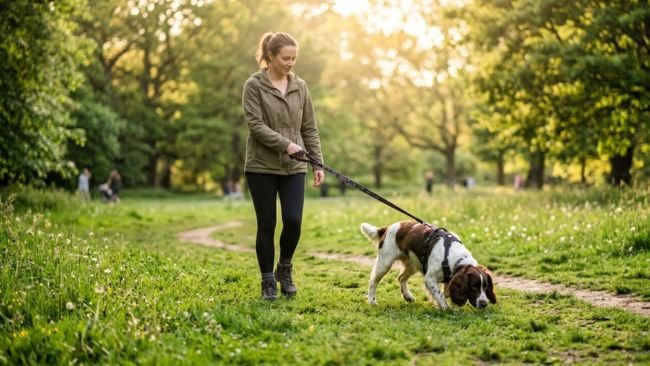
A balanced dog walking schedule per day spreads activity across the day instead of depending on one long session.
- Morning Walk: This longest walk helps your dog release built up energy and start the day calm.
- Midday Activity: A quick exercise routine for dogs at home, such as a short training session or a game of tug, helps break long inactive hours, useful for a dog daily routine for working owners.
- Evening Energy Release: A relaxed walk to wind down, allowing your dog to explore, supporting a calm end to the daily dog routine.
Indoor Exercise Routine for Dogs at Home
For a dog routine for apartment living, indoor activity becomes essential. Limited space should not lead to limited exercise, it just requires smarter engagement.
Simple activities like hallway fetch, tug games or short training drills can form an effective indoor exercise routine for dogs at home. Teaching commands, playing scent games or rotating toys also adds mental stimulation. Hence a strong daily routine for dogs in apartments relies on these small but consistent “micro-activities” to keep both body and mind active.
Signs Dog Is Not Getting Enough Exercise
Gaps in a dog exercise routine, results in bad behavior. Dogs that lack activity do not stay idle, they redirect energy into unwanted habits. Common signs dog is not getting enough exercise include excessive barking, chewing furniture, digging or hyperactivity. They normally signify boredom but not disobedience.
Repeated inactivity leads to frustration, which makes calm companion feel like a very energetic roommate, which you never thought about.
Daily Dog Hygiene Routine
Hygiene is a preventative health measure that keeps your dog comfortable, especially when you already have the must have supplies as a new dog owner in place. It also saves you from massive vet bills. A simple dog hygiene routine can prevent infections and identify health issues before they become emergencies.
This is not about frequent bathing, but regular checks and basic care. Small actions like cleaning paws, checking the coat or wiping eyes can prevent infections and reduce long term health risks. Many owners ignore hygiene until a problem appears, but a few minutes of daily attention can make a big difference. Following a simple dog care checklist daily allows you to spot early signs like skin irritation, ticks or unusual discharge before they become serious.
These small habits become part of a smooth dog care routine, helping your dog stay clean, healthy and comfortable without adding extra stress to your day.
Daily Hygiene Routine for Dogs at Home
Daily hygiene routine for dogs at home is about quick checks and simple cleaning that prevent bigger problems later. No everyday full bath is needed as it dries out their skin. A basic daily dog hygiene routine includes:
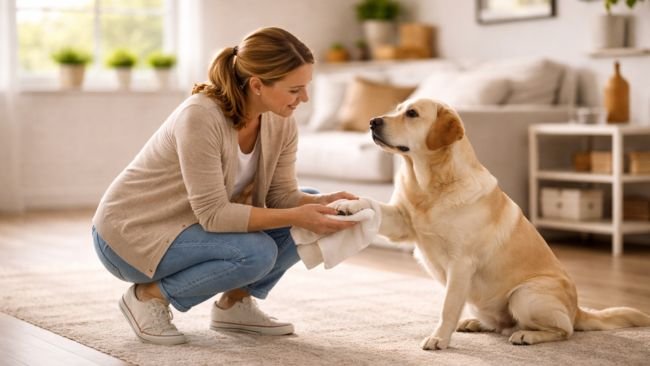
- Paw Check: In cities where dirt, salt or chemicals can stick to paws, knowing how often to clean dog paws daily helps prevent irritation and infections. A quick wipe after walks is usually enough.
- Coat/Skin Check: Running your hands through your dog’s coat helps checking for ticks, burrs, cuts or unusual lumps. This small habit helps catch issues early.
- Eye Cleaning: Gently wipe away tear stains or discharge using a soft cloth. Regular cleaning prevents buildup and keeps your dog comfortable.
Weekly Vs. Daily Grooming Tasks
A balanced dog grooming routine at home schedule separates what needs daily attention from what can be done weekly. Daily care is about light maintenance, while weekly tasks focus on deeper grooming.
Brushing frequency depends on coat type, but even a quick daily brush helps reduce shedding and keeps the coat healthy. Bathing once every 3- 4 weeks is enough. Over bathing strips natural oils and is a frequent mistake that leads to dry and itchy skin.
Dog Dental Care
Dental hygiene is one of the most overlooked parts of a dog health routine, directly impacting on overall well being. Daily brushing with do safe toothpaste is the most effective way to prevent plaque buildup and gum disease. Dental issues are extremely common in adult dogs, often going unnoticed until they become serious.
If daily brushing is not possible, dental chews or toys can help, but they should only support and not replace a proper brushing routine.
How to Maintain Dog Hygiene Daily (Mistakes to Avoid)
Maintaining a consistent dog hygiene routine is more about avoiding mistakes than doing complex tasks. Ignoring oral hygiene leads to an expensive treatment and is often uncomfortable for the dog. Over bathing as discussed previously, damages the skin barrier instead of improving cleanliness.
Incorrect products like human shampoos, disrupts skin pH and leads to irritation. To keep dog clean daily without bathing, simple activities like grooming wipes, paw cleaning and regular brushing are more effective and safer.
Creating the Perfect Daily Routine
Bringing feeding, activity and rest into one clear structure makes day to day care much easier to manage. Instead of treating each task separately, this approach helps you see how everything fits into a smooth and predictable flow.
Start by identifying fixed points in your day such as when you wake up, leave for work or have dinner. They act as anchors around which you can plan walks, meals and downtime. Once these anchors are set, the rest of the day becomes easier to organize without overthinking every detail.
Dividing the day into simple blocks like morning, afternoon and evening, gives you flexibility while still maintaining enough structure for your dog to settle into a steady rhythm.
When daily activities happen in a predictable pattern, this consistency builds clarity for your dog, reducing confusion, supports better behavior and makes the entire routine feel natural.
Sample Routines: Remote Workers Vs. Commuters
Different lifestyles need different routines, with the same goal of meeting your dog’s needs without disrupting your day. Many issues arise from first time dog owner mistakes that break consistency early on.
Dog routine for working professionals: Start with a long morning walk around 6:30 AM, followed by breakfast at 7:30 AM. During work hours, most dogs settle into rest mode, especially if their morning needs are met. If possible, a midday dog walker or a quick visit helps break long gaps. Evenings should include a walk or play session to release leftover energy.
Dog routine for busy owners at home: Take advantage of short breaks. A quick training drill, a game of tug or a short walk between tasks keeps your dog mentally engaged without requiring large time blocks.
Daily routine for dogs in apartments: Since outdoor access is limited, combine shorter walks with indoor games. Activities like fetch, puzzle toys or basic training help maintain balance despite space constraints.
The Time Block Method for Dog Daily Schedule
Instead of following a rigid timetable, organizing the day into blocks makes the routine easier to maintain.
- Morning Block: Focus on activity and feeding. A walk followed by a meal helps set the tone for the day.
- Afternoon Block: Keep it light. A quick potty break or a short mental activity is usually enough during this period.
- Evening Block: This is the time for interaction—another walk, dinner, light grooming and relaxed time together.
This structure keeps things predictable without making the routine feel restrictive.
How to Build a Routine for a Dog at Home
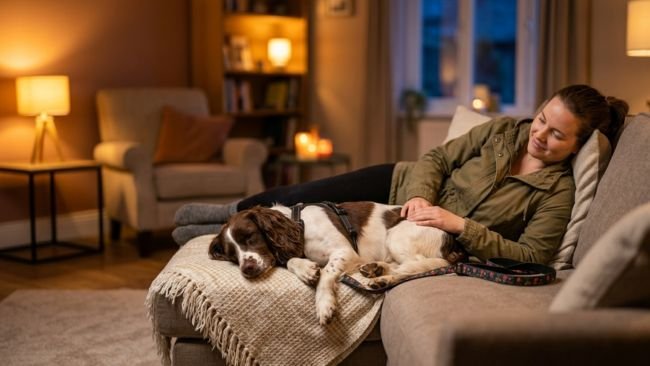
Identify fixed moments in your day – when you wake up, leave or wind down. These points help shape the rest of the schedule naturally. Build around them by placing walks, meals and short activities where they fit best. You need not be perfect, consistency matters more than exact timing.
A steady routine also improves behavior. When a dog knows what to expect, it reduces stress and eliminates the need to seek attention through unwanted habits.
Adjusting Routine for Life Stages
A dog’s needs not being static, your routines should continusly evolve as your pet moves from puppyhood to adulthood and into senior years. A routine that works for a young, energetic puppy will not suit an older dog with lower stamina. As dogs age, their energy levels, metabolism and health requirements change. Your daily structure needs to adapt accordingly.
In the early stages, puppies require frequent meals, regular bathroom breaks and short bursts of activity throughout the day. Growing into adults, focus shifts toward maintaining a stable rhythm with balanced exercise, consistent feeding and predictable rest periods.
Senior dogs benefit from slower and more gentle routines. Walks may become shorter but more frequent, additional attention to comfort, joint health and regular checks becomes important.
Adjust your approach at each stage to ensure your dog stays comfortable, healthy and well supported throughout its life, without forcing a routine that no longer fits its needs.
Puppy Routine Vs. Adult Dog Routine
An easy dog routine for beginners with a puppy is built around frequent breaks and short activity cycles. The one hour rule is a practical guide, if a puppy has been awake for an hour, it likely needs a potty break. Meals, play and rest all happen in smaller and repeated blocks throughout the day to support growth and training.
As dogs transition into adulthood, the routine becomes more stable. An adult dog no longer needs constant supervision and the focus shifts to consistency like regular walks, fixed meal times and balanced activity. This stage is often the easiest to manage because the dog daily schedule becomes predictable with fewer interruptions and a calmer overall rhythm.
Senior Dog Routine
As dogs enter their senior years, routines should become gentler and more supportive. Aging dogs may slow down and their joints, digestion and energy levels require closer attention.
Walks are usually shorter but may need to be more frequent to stay comfortable. Feeding routines may also need change to match a slower metabolism, making portion control and timing more important.
A consistent routine provides reassurance as senses like hearing or vision may decline. Many owners delay these adjustments, but adapting early helps maintain comfort and prevents unnecessary stress, making later years easier for both the dog and the owner.
Seasonal and Environmental Adjustments
The outside environment plays a major role in shaping your dog’s daily routine. Weather and surroundings influence safety, activity levels and overall comfort.
In warmer months, in regions with intense heat, routines need to shift to avoid health risks. Midday walks should be avoided as hot pavements can burn paws and high temperatures increase the risk of heatstroke. Early morning and late evening walks are safer, while ensuring constant access to fresh water becomes essential.
During colder seasons, the challenges are different. Ice, snow and road salt can irritate paws, so cleaning them after walks becomes an important habit. Some dogs may also need protective gear, while exercise may shift slightly indoors when outdoor conditions are too harsh.
Environmental changes matter. Moving from a quiet area to a busy city can be overwhelming for a dog. A daily routine for dogs in apartments often requires gradual adjustment, shorter but more frequent walks, leash training and exposure to new sounds. Giving your dog time to adapt helps maintain stability even when the surroundings change.
Common Mistakes in Daily Dog Care Routine
Small inconsistencies even with best intentions turn into long term problems. One of the most overlooked issues is ignoring mental stimulation. A dog may get enough physical exercise but still feel restless if its mind is not engaged. This often leads to behaviors like chewing, barking or constant attention seeking. A balanced dog exercise routine should always include some form of mental activity.
Overfeeding while under exercising gradually leads to weight gain, reduced mobility and joint strain. Following a proper dog feeding schedule along with regular activity helps maintain a healthy balance.
Do not ignore hygiene to appear as visible problems later . Issues like ear infections, dental disease or skin irritation often develop slowly and become costly if not addressed early. Maintaining a simple dog hygiene routine prevents these avoidable complications.
Inconsistency being a major problem, leads to irregular feeding times, skipped walks or unpredictable habits, creating confusion and stress. A steady routine is more reliable, rather being perfect.
Tools and Essentials for an Efficient Routine
Having the right tools in place makes a daily routine easier to follow and more consistent. Practical items simplify feeding, exercise and hygiene without adding complexity to your dog care routine at home.
- Feeding: Tools like slow feeders and automatic dispensers help maintain proper portion control for dogs daily feeding. They prevent overeating, reduce gulping and ensure meals are given on time even on busy days.
- Excercise: A reliable setup like a sturdy 6-foot leash provides better control and safety compared to retractable options, especially in crowded areas. Combine this with interactive toys to support both physical activity and mental engagement, making your dog exercise routine more effective.
- Hygiene: A basic grooming kit including slicker brush, nail clipper and dog safe toothpaste provides a consistent dog grooming routine at home. Keeping these tools accessible encourages regular use, helping you maintain a clean and healthy routine without extra effort.
Frequently Asked Questions
When schedules get busy, quick and clear answers help maintain consistency. This section addresses common concerns around building and maintaining a practical daily routine.
What is a good daily routine for a dog?
A good routine includes a morning walk, feeding, a midday break, evening exercise or play, dinner and a quick hygiene check. The key is keeping these activities at consistent times so the dog can settle into a predictable pattern.
How many times a day should I feed my dog?
Most adult dogs do well with two meals a day – morning and evening. Puppies may require more frequent feeding, while seniors may need adjustments based on their health and activity level.
Can dogs skip exercise for a day?
Occasionally, but it is best to replace outdoor activity with light indoor games or mental stimulation to prevent restlessness.
How often should I bathe my dog?
For most dogs, once every 3 – 4 weeks is sufficient. Daily hygiene is better maintained through brushing, paw cleaning and basic checks rather than frequent bathing.
Does lack of routine affect dogs?
Yes, inconsistency can lead to anxiety, behavioral issues and setbacks in training. A predictable routine helps dogs feel secure and behave more calmly.
Building a Routine That Actually Works
The bond you share with your dog is built in the small, repeated moments of every day – morning walks, meal times, quiet evenings and simple check ins. These consistent interactions create trust and help your dog feel secure in its environment. A steady routine directly supports emotional stability, better behavior and long term health.
Dogs rely on patterns to understand what comes next. When feeding, exercise and rest happen in a predictable way, it reduces uncertainty and helps your dog settle naturally into daily life. Start small, choose a fixed evening walk or a regular brushing session and build around it gradually. Over time, these small habits connect into a smooth, structured routine that works for both you and your dog.
Your dog does not expect perfection, but responds to consistency. Whether you are managing a busy schedule or just starting out, the effort you invest in building a simple, reliable routine will reflect in your dog’s behavior, health and overall happiness.
By Pettopedia Editorial Team
Pet Care Research & Content Team
Pettopedia Editorial Team is dedicated to helping pet parents make informed and confident decisions for their pet companions. Our articles are created through in depth research, practical insights with a strong understanding of animal behavior, nutrition and everyday pet health needs. Each piece is written to provide clear, reliable and actionable guidance that pet parents can trust.
Every Pettopedia article is carefully reviewed and updated to ensure accuracy, relevance and alignment with current pet care best practices. By combining a structured, long term content roadmap with a commitment to authenticity, Pettopedia aims to be the definitive digital encyclopedia for the modern pet parent. We aim to deliver content that is not only informative but also genuinely helpful in real life situations, which will help you and your pets thrive.