
Home ➤ Dogs ➤ Dog Grooming Basics
A dog smelling fresh after a bath is something most owners can relate to. But grooming is not simply about keeping a dog looking presentable. Proper dog grooming basics play a major role in skin health, comfort, hygiene, mobility and even emotional wellbeing.
Many owners unknowingly focus only on baths while ignoring other important areas like brushing, nail trimming, ear care and dental hygiene. Others accidentally overbathe their dogs or use products designed for humans, which can damage the skin barrier over time. Small grooming mistakes repeated consistently often create larger health problems later.
A proper dog grooming routine is about maintaining comfort, spotting health problems early and helping your dog feel physically well every day. Whether you are searching for a complete dog grooming guide, trying to learn how to groom a dog at home step by step for beginners or building a simple dog grooming checklist for new dog owners, understanding the basics creates a healthier and far less stressful experience for both dogs and owners.
Why Grooming Matters For Your Dog’s Health
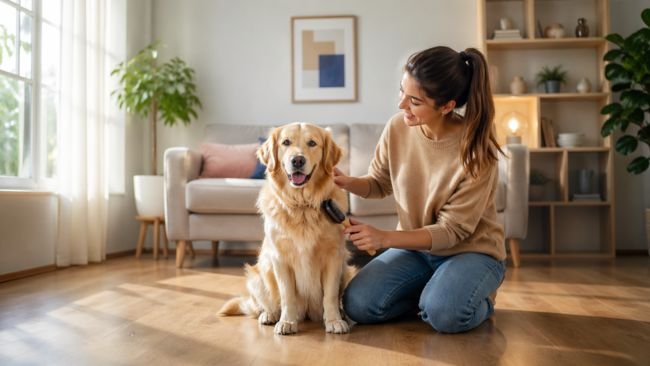
Good grooming habits affect much more than appearance. Dogs rely heavily on their skin, coat, ears, paws and teeth to stay comfortable and protected from irritation, infection and environmental stress.
Regular brushing helps remove dirt, dead hair, allergens and debris trapped inside the coat. This also improves airflow to the skin and reduces matting, especially in long haired or double coated breeds. Mats are not simply cosmetic problems. Severe tangles can pull painfully against the skin, trap moisture underneath and eventually lead to bacterial or fungal infections.
Routine grooming also allows owners to notice subtle changes early. A small lump, irritated patch of skin, ear odor or unusual sensitivity may go unnoticed for weeks without regular hands on care. Many veterinary professionals encourage consistent grooming because owners often discover early health concerns during brushing or bathing sessions.
Comfort also changes behavior. Dogs with overgrown nails may walk awkwardly or avoid hard flooring because of discomfort. Dirty ears can cause persistent scratching or head shaking. Dental disease may reduce appetite or create irritability over time.
Emotionally, calm and positive grooming sessions teach dogs to tolerate touch around sensitive areas like paws, ears and mouths. This becomes especially valuable during veterinary visits later in life. Coat quality and skin health are strongly influenced by nutrition and a balanced dog feeding routine.
Understanding Your Dog’s Coat And Grooming Needs
Not all dogs require the same grooming schedule. Coat structure, breed traits, age, climate and lifestyle all influence how often should you groom your dog at home.
A short haired Labrador, a curly coated Poodle and a thick coated Husky all have completely different grooming demands. Treating every breed the same usually leads to either overgrooming or neglect.
Coat Types
Understanding coat type is one of the most important parts of how to groom a dog based on coat type.
- Short Coat: Short coated dogs usually require less maintenance, but they still shed loose hair and accumulate oils, dust and environmental allergens. Weekly brushing helps distribute natural oils across the skin while reducing loose fur around the house. Owners often assume short haired dogs barely need grooming until black clothing suddenly becomes covered in tiny needle like hairs that somehow survive every vacuuming attempt.
- Medium Coat: Medium coated dogs benefit from brushing several times per week. Their coats can trap loose undercoat, dirt and debris more easily than shorter coats. Breeds with feathering around the legs, chest or tail may develop small mats if brushing becomes inconsistent.
- Long Coat: Long haired dogs require far more regular maintenance. Hair around the ears, stomach, armpits and tail tends to mat quickly, especially after outdoor activity or moisture exposure. Without regular brushing, mats tighten gradually against the skin and become painful during movement.
- Curly Or Double Coat: Curly coated dogs like Poodles often require trimming alongside brushing because loose hair becomes trapped inside the coat instead of falling out naturally. Double coated breeds shed heavily during seasonal transitions and require proper undercoat maintenance. Shaving double coated dogs without veterinary or grooming guidance can sometimes interfere with coat insulation and temperature regulation.
Breed Specific Grooming Differences
Some breeds naturally demand more grooming attention than others, which is why it is important to choose the right dog for your lifestyle.
A Beagle may thrive with simple weekly brushing and occasional baths, while a Shih Tzu may require near daily coat maintenance to prevent severe matting. Owners researching what are the basic grooming needs of a dog should always consider breed maintenance before bringing a dog home.
High maintenance grooming needs are not negative traits, but they do require consistency. Ignoring grooming for several weeks in heavily coated breeds often turns a simple brushing session into a stressful detangling process.
Factors That Affect Grooming Needs
Lifestyle affects grooming frequency significantly. Dogs that spend time outdoors hiking, swimming or rolling enthusiastically through dirt obviously require more frequent cleaning than mostly indoor dogs. Climate matters too. Humid weather increases the risk of trapped moisture and skin irritation, while dry winters may contribute to flaking or itchiness.
Age also changes grooming requirements. Puppies need gradual grooming introduction, while senior dogs may struggle with self cleaning because of reduced mobility or arthritis.
Essential Dog Grooming Tools
A proper basic dog grooming setup at home does not require expensive salon equipment. Choosing the right tools simply makes grooming safer, easier and less stressful.
Using incorrect tools often causes discomfort, ineffective brushing or accidental injury.
Basic Tools
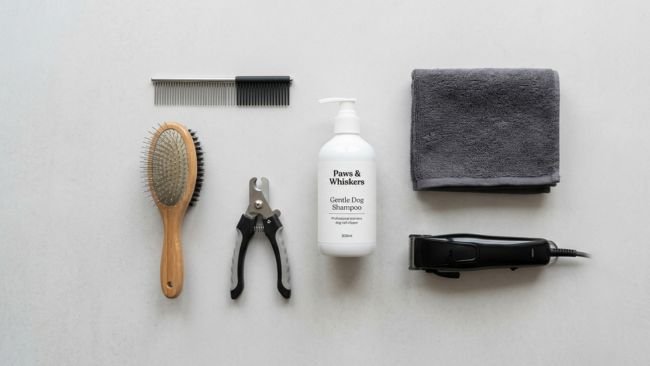
- Brushes And Combs: Different coats require different brush styles. Slicker brushes work well for tangles and loose fur, while rubber grooming brushes help remove dead hair from short coats. Metal combs help check for hidden mats near the skin.
- Nail Clippers: Good quality nail clippers reduce splitting and uneven cuts. Some owners prefer grinder tools because they smooth rough edges gradually.
- Dog Shampoo: Always use dog specific shampoo. Human shampoos disrupt canine skin pH and may cause dryness or irritation. Owners searching for how to clean a dog properly without harming skin should focus heavily on using gentle dog safe products.
- Towels: Absorbent towels help remove moisture quickly after baths, especially for thick coated breeds.
Advanced Tools
De-shedding tools become especially useful during heavy seasonal shedding periods.
Electric trimmers help maintain sanitary areas and manage excessive coat growth around paws or sensitive regions. Dog safe ear cleaning solutions also help maintain ear hygiene properly without irritating delicate tissue.
Choosing tools based on coat type and dog size matters significantly. A tiny Yorkshire Terrier does not require the same grooming equipment as a large Newfoundland. Oversized brushes or harsh tools can make grooming uncomfortable and increase resistance over time.
Building a basic grooming station becomes much easier when you already have the must have supplies for a new dog owner.
Dog Bathing Basics
Bathing is one of the most misunderstood parts of dog cleaning and grooming.
Some owners rarely bathe their dogs, while others practically schedule spa appointments every weekend. The healthiest approach usually falls somewhere in between.
How Often Should You Bathe Your Dog
Bathing frequency depends on breed, coat type, skin condition and lifestyle. Healthy indoor dogs often need fewer baths than highly active outdoor dogs. Overbathing strips natural oils from the skin and may worsen dryness, itching or irritation.
Owners who bathe their dog every week should understand that more bathing does not automatically mean better hygiene.
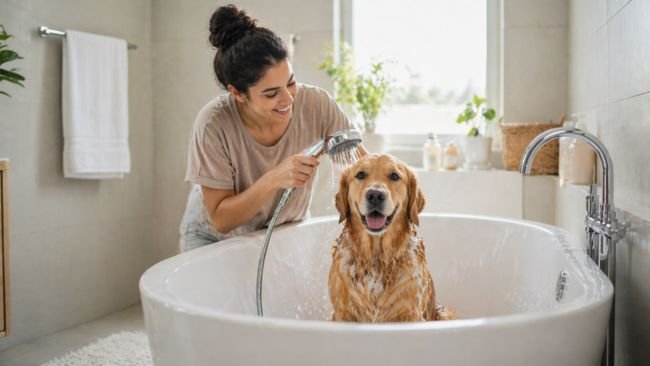
Step By Step Bathing Process
Following basic dog grooming steps properly helps reduce stress and improves coat health.
- Pre Brushing: Brush before bathing to remove tangles and loose hair. Wet mats become tighter and harder to remove.
- Water Temperature: Use lukewarm water instead of hot water, which may irritate the skin.
- Shampoo Application: Massage shampoo gently into the coat while avoiding direct contact with eyes and ears.
- Rinsing and Drying: Incomplete rinsing leaves residue behind that may trigger itchiness later. Drying matters just as much as bathing itself. Thick damp coats trap moisture against the skin and may contribute to irritation.
Common Bathing Mistakes
Using human shampoo remains one of the most common mistakes in dog grooming for beginners. Poor drying, aggressive scrubbing and excessive bathing also create avoidable skin problems.
One common real life scenario involves panic bathing dogs after every outdoor walk when simple paw cleaning is just enough.
Brushing And Coat Maintenance
Regular brushing is one of the easiest ways to improve coat health while reducing shedding around the home.
Many owners searching for how to brush dog hair properly to avoid shedding underestimate how much loose hair brushing removes before it spreads across furniture and clothing.
How Often To Brush
Brushing is the best way to groom a dog at home naturally. It distributes natural oils, making the coat shine without chemicals. It also acts as a “bonding” ritual. Double coated dogs usually require heavier brushing during shedding seasons.
Benefits Of Regular Brushing
A simple dog daily care grooming routine keeps the vet away. Regular brushing:
- Reduces shedding
- Distributes skin oils
- Improves circulation
- Prevents painful matting
- Removes trapped debris
It also dramatically reduces the amount of dog fur mysteriously appearing inside coffee cups, laundry baskets and apparently every black shirt you own.
Handling Mats And Tangles
Never yank aggressively at mats. Small tangles should be separated gently using detangling spray and patient brushing. Severe matting may require professional grooming because pulling tightly at the coat can injure the skin underneath.
Nail, Ear And Dental Care
Many owners focus heavily on baths while overlooking nails, ears and teeth areas where preventable health problems commonly develop.
Nail Trimming
Most dogs require nail trimming every few weeks depending on activity levels and walking surfaces.
If nails click loudly against hard floors, they are usually too long. Owners learning how do you trim a dog’s nails at home should trim gradually because cutting into the quick causes pain and bleeding.
Ear Cleaning
Knowing how do you clean a dog’s ears safely helps prevent irritation and infection.
Use dog safe ear cleaners and avoid inserting objects deep into the ear canal. Persistent odor, redness, discharge or excessive scratching should always be evaluated by a veterinarian.
Dental Hygiene
Dental care is one of the most neglected areas in dog care and grooming.
Daily brushing is ideal, though even several weekly sessions help reduce plaque buildup significantly. Dental treats and approved chews may supplement brushing, but they should not fully replace oral hygiene routines.
Grooming Based On Life Stage
The grooming needs of a canine change as they transition from a puppy to a dignified senior. Adapting your dog grooming routine to their physical capabilities ensures they remain comfortable throughout their life.
- Puppies: Puppies should experience grooming gradually and positively. Short sessions involving brushing, paw handling, nail touching and gentle bathing help create long term comfort with grooming routines.
- Adult Dogs: Adult dogs benefit most from consistent maintenance. Waiting until coats become heavily tangled or nails become severely overgrown makes grooming more stressful for everyone involved.
- Senior Dogs: Senior dogs often require gentler handling, softer brushes and shorter sessions. They may struggle with standing for long periods, especially if arthritis or joint stiffness develops.
Professional Grooming Vs Home Grooming
Many owners successfully manage routine dog grooming at home guide tasks themselves. For complex grooming, a professional is often worth the investment. How to groom a dog without professional help requires a steep learning curve and specialized equipment.
However, professional groomers remain valuable for:
- Severe matting
- Breed specific trims
- Difficult coat maintenance
- Nervous dogs
- Owners uncomfortable with nail trimming
For owners searching for low cost dog grooming tips at home, combining regular home maintenance with occasional professional grooming often provides the best balance between cost and convenience.
Common Dog Grooming Mistakes To Avoid
Most common grooming mistakes by first time dog owners include skipping brushing, ignoring ears and teeth, cutting nails too short and using inappropriate products. waiting until a dog becomes severely tangled turns simple maintenance into a frustrating experience.
Dogs also remember stressful grooming experiences surprisingly well. Rough handling or rushed sessions may create long term resistance toward grooming routines.
Creating A Dog Grooming Routine
A proper daily dog care routine should include brushing, hygiene checks, feeding consistency and regular physical activity.
The best dog grooming routine for busy owners is one that feels manageable and realistic rather than overwhelming. To maintain dog hygiene without salon visits, you need a schedule. A simple structure often works best, which includes:
Weekly Tasks
- Brushing
- Coat inspection
- Paw checks
- Ear checks
Monthly Tasks
- Bathing
- Nail trimming
- Deeper coat maintenance
Being consistent makes the process simple. When the dog knows what to expect, the anxiety vanishes.
Owners searching for an easy dog grooming routine usually succeed more when grooming becomes part of regular household rhythm instead of an occasional emergency cleanup session.
Signs Your Dog Is Well Groomed
A well groomed dog is more comfortable and less itchy. A properly groomed dog usually has:
- Clean skin
- Minimal odor
- Healthy ears
- Manageable nails
- Soft coat texture
- Comfortable movement
Comfortable dogs move more naturally, scratch less frequently and generally appear more relaxed.
Proper dog grooming basics are not about creating a perfectly styled show dog, but maintaining comfort, hygiene, skin health and overall well being through consistent care.
A practical dog grooming routine for beginners at home does not require expensive tools or salon level skills. Most dogs thrive with regular brushing, sensible bathing, proper nail care, ear cleaning and patience.
Owners searching for what is the best way to keep a dog clean often discover that consistency matters far more than perfection. Small grooming habits repeated regularly prevent many common health and hygiene problems before they start.
Even if your freshly groomed dog immediately runs outside searching for the nearest puddle, start slow, buy the right tools and always keep the treats handy. Your dog will thank you with a clean and healthy wag!
By Pettopedia Editorial Team
Pet Care Research & Content Team
Pettopedia Editorial Team is dedicated to helping pet parents make informed and confident decisions for their pet companions. Our articles are created through in depth research, practical insights with a strong understanding of animal behavior, nutrition and everyday pet health needs. Each piece is written to provide clear, reliable and actionable guidance that pet parents can trust.
Every Pettopedia article is carefully reviewed and updated to ensure accuracy, relevance and alignment with current pet care best practices. By combining a structured, long term content roadmap with a commitment to authenticity, Pettopedia aims to be the definitive digital encyclopedia for the modern pet parent. We aim to deliver content that is not only informative but also genuinely helpful in real life situations, which will help you and your pets thrive.