
Thinking about bringing a cat into your life? It’s an important and rewarding decision. Before committing, it is wise to carefully evaluate the pros and cons of owning a cat, as this choice shapes your daily routine, finances and long-term responsibilities. The idea of a calm, purring companion resting beside you is incredibly appealing. However, cat ownership is a multifaceted journey that combines moments of deep companionship with practical obligations. Understanding both the emotional and logistical aspects is essential for creating a harmonious relationship between cats and their human companions. It is about more than affection; it is a commitment that touches every part of your life.
For cat lovers in most developed countries, whether you are in a bustling city like London or enjoying the quiet life in New Zealand, it is essential to carefully evaluate the pros and cons of owning a cat. Gaining a balanced understanding of both the rewards and responsibilities of pet ownership, helps you to make an informed decision that aligns with your lifestyle while ensuring a safe, stable and fulfilling life for your future companion.
The Advantages of Owning A Cat
There are many powerful reasons why so many people choose to share their lives with cats. Cats actively enrich daily life, bringing calm energy, genuine joy and a sense of balance that transforms even ordinary routines into comforting rituals.
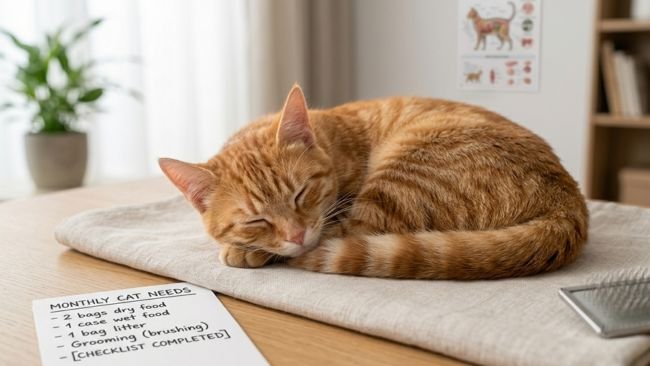
Cats Are Generally Lower Maintenance Than Dogs: For many people, with demanding schedules, this is a significant advantage. Cats typically require less hands-on daily management than many other pets, allowing owners to balance companionship with professional and personal commitments more comfortably.
- Do cats need a lot of attention: While cats benefit from regular interaction and affection, they are widely recognized for their independent nature. Unlike dogs, they do not require daily outdoor walks, which makes them particularly well-suited to apartment living or homes without direct access to outdoor space. This self-sufficiency is one of the most practical advantages of cat ownership, especially for busy professionals or individuals managing demanding schedules.
- Less strenuous exercise: You can easily meet a cat’s exercise needs through engaging indoor play sessions with interactive toys. They actively climb, jump and explore vertical spaces, so investing in a well-designed cat tree for small spaces or a sturdy scratching post creates the stimulation and elevation they naturally seek.
- They Groom Themselves Regularly: Cats maintain their own hygiene with remarkable diligence, spending a significant portion of the day cleaning their coats. They spend a lot of time keeping themselves spotless, which reduces the need for frequent bathing. But regular brushing is essential for managing shedding, supporting coat health and minimizing hairball formation.
They Offer Unique Companionship and Emotional Support: Cats create a distinctly calming atmosphere within the home. They closely sense their owner’s emotional state and respond with quiet proximity, gentle purring or steady companionship. Their presence alone can provide reassurance and comfort, particularly during periods of stress or solitude.
- Benefits of cat companionship for mental health A cat’s quiet presence can significantly ease daily stress and emotional tension. A steady rhythm of a cat’s purr has been associated with reduced stress levels and lower blood pressure, offering a natural source of comfort. Through consistent companionship and calming behavior, cats actively contribute to emotional stability and help alleviate feelings of anxiety..
- They Encourage Quiet Moments: Cats naturally promote a slower, more intentional pace of living. Their peaceful presence unhurried routines encourage owners to pause, unwind, and disconnect from daily pressures. They create an atmosphere of steady comfort and emotional balance.
- Cats as emotional support animals: For those who need a gentle, low-impact emotional support animal, Cats serve as gentle, low-maintenance emotional support companions. They provide deep comfort and a sense of purpose without demanding constant external engagement.
They Adapt Beautifully to All Sorts of Homes: Cats adjust quickly to a wide range of home settings, making them well-suited companions for apartments, urban residences, and larger homes alike.
- Cat-Friendly Apartments: If you live in an apartment, especially in a bustling city in Germany or Singapore, Cats adapt exceptionally well to apartment living,. Their compact size and primarily indoor lifestyle often result in fewer rental restrictions compared to larger pets. This makes cats particularly suitable for tenants navigating space limitations and housing policies in metropolitan environments.
- Indoor cat advantages: Keeping a cat indoors significantly improves their overall safety and life expectancy. This avoids traffic accidents, territorial fights with other animals, predator threats, and exposure to contagious diseases. Fewer accidents and illnesses mean fewer emergency veterinary visits, which can substantially lower long-term medical expenses.
- They Naturally Adapt to Litter Training:: Most cats instinctively use a litter box, which makes litter training for kittens relatively simple and efficient. They bury waste which supports hygiene and helps owners maintain a clean, odor-controlled home with minimal effort. This makes maintaining a clean home much simpler.
The Challenges of Owning a Cat
There is less glamorous but equally important aspect of cat ownership. You, as a cat owner require realistic understanding of the ongoing commitments, financial obligations and potential challenges that come with caring for a cat.
True Financial Commitment: The initial adoption fee represents only a small portion of the total cost of cat ownership. Responsible cat ownership requires ongoing financial planning, including routine veterinary visits, vaccinations, quality nutrition, litter supplies, grooming tools and preventive health treatments. Over time, these recurring expenses can accumulate significantly, particularly in Tier 1 countries where veterinary care and pet services often carry higher costs.
- Ongoing expenses: Owning a cat requires consistent budgeting for essentials such as high-quality cat food, monthly cat litter, toys and basic grooming supplies. Specialized diets, including formulas for sensitive stomachs or health conditions, can increase monthly costs. Planning ahead for these recurring expenses helps ensure your cat’s well-being without unexpected financial strain.
- Veterinary Care Costs: Regular veterinary check-ups, essential vaccinations, and preventative treatments such as flea and tick control are ongoing responsibilities for cat owners. Unexpected health issues can lead to significant emergency expenses, sometimes running into thousands of dollars. That is why considering pet insurance for cats is worth in long term is so crucial. Doing some research on the average cost of pet insurance for cats can provide a realistic understanding of typical veterinary expenses. Many financial planners consider these medical costs one of the most substantial disadvantages of cat ownership, highlighting the importance of budgeting and planning ahead.
- Hidden expenses of keeping a cat: Beyond the obvious costs, cat owners may encounter additional expenses such as professional dental cleanings, essential for long-term health, or specialized training to address behavioral challenges. These less obvious costs can add up, contributing significantly to the overall long-term expense of cat ownership.
Time and Lifestyle Adjustments: Even with their independent nature, cats are living beings that require consistent attention and a stable environment. Owners must adjust routines, dedicate time for feeding, play, grooming, and monitoring health, and ensure the home environment supports their physical and emotional well-being. These ongoing commitments can impact daily schedules and lifestyle choices.

- Impact of cat ownership on travel plans Frequent travellers must arrange reliable cat-sitting services or boarding, which increases travel expenses. Leaving a cat alone for extended periods can compromise their well-being, making planning and coordination essential for responsible ownership.
- Affection on Their Terms: Cats express affection differently than humans might expect. While some are highly cuddly, many show love through subtle behaviors such as following you from room to room, gentle head nudges or quiet companionship. Owners who anticipate constant dog-like attention may need to adjust their expectations and appreciate these quieter forms of bonding.
- Can cats be left alone for 8 hours a day: While cats are often more independent than dogs, leaving them alone for long stretches can lead to boredom, stress, or mischievous behavior. Tools like the best automatic cat feeder or interactive toys can help keep them engaged during the day, but regular human interaction remains essential for their well-being and emotional health.
Potential for Damage and Allergies: Protecting Your Home and Health: Cats are naturally curious and playful, which means a sudden leap onto your favorite bookshelf or a swipe at a coffee table centerpiece is not uncommon. Beyond these little mishaps, cat dander can trigger allergies in sensitive individuals. Being aware of both potential household damage and health considerations helps ensure a happy and safe environment for both you and your feline friend.
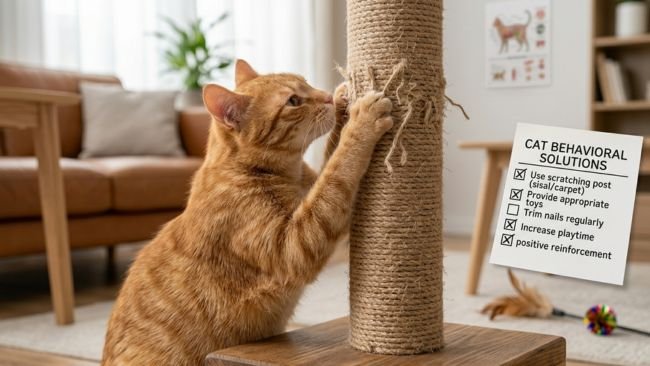
- Cat furniture scratching solutions: Scratching is a natural and necessary behavior for cats, helping maintain claw health and marking their territory. Without suitable alternatives, your furniture may become the target. Effective solutions include providing a variety of durable cat scratching post options and gently redirecting your cat to these approved areas.
- Litter box odor control challenges: Even with regular cleaning, litter boxes can be a persistent source of odor. Managing this requires a consistent cleaning routine, good ventilation, and consideration of the best cat litter for odor control to keep your home fresh.
- Cat allergy symptom prevention tips: Cat dander is a common allergen, so if you or family members have sensitivities, it is wise to spend time around cats before committing. While no cat is truly hypoallergenic, some breeds are often marketed that way, prompting searches like are cats really hypoallergenic breeds. Minimizing the disadvantages of owning a cat for allergy sufferers may involve air purifiers, regular cleaning, and designated cat-free zones in your home.
Behavioral Puzzles: Cats can sometimes exhibit behaviors that are puzzling or challenging, requiring patience, careful observation, and thoughtful intervention. Understanding the reason behind these actions is key to fostering a harmonious home.
- Litter box problems new cat solutions: If a cat suddenly stops using the litter box, it often signals stress, a medical concern or dissatisfaction with the box itself. Prompt attention and observation are essential to identify the cause and implement effective solutions.
- Kitten biting and scratching solutions for new owners: Kittens naturally play rough, but it is important to teach them early that human hands are not toys. Redirecting their energy to appropriate play objects helps prevent long-term behavior issues.
- Cat vocalization problems solutions: Excessive meowing can indicate boredom, anxiety, a medical need or simply a demanding personality. Careful observation is necessary to determine the underlying reason and address it appropriately.
- Pros and cons of declawing a cat ethical considerations: Declawing is a highly controversial procedure that can have serious physical and behavioral consequences and it is illegal in many countries. Experts strongly discourage it. Safer alternatives include regular nail trims and providing a variety of scratching surfaces to satisfy your cat’s natural instincts.
Ultimately, bringing a cat into your home is a deeply personal choice. While the thought of a warm, purring presence is incredibly inviting, a thorough, honest evaluation of the benefits of cat ownership alongside its inherent challenges of owning a cat is absolutely essential.
The rewards of feline companionship – the quiet affection, the stress reduction, the unique bond – are truly profound. However, it is important to consider the pros and cons of cat ownership. Responsible cat care also demands financial foresight, a commitment of your time and effort and a willingness to understand and address their needs. By approaching this decision with open eyes, understanding the long-term commitment of cats and dedicating yourself to providing a nurturing, stimulating environment, you will be well-prepared to embark on a truly fulfilling journey with your new feline companion.
Previous ◀ 🐈 | Things To know Before Getting A Cat
Next ▶ 🐈 | Right Cat For Lifestyle
By Pettopedia Editorial Team
Pet Care Research & Content Team
Pettopedia Editorial Team is dedicated to helping pet parents make informed and confident decisions for their pet companions. Our articles are created through in depth research, practical insights with a strong understanding of animal behavior, nutrition and everyday pet health needs. Each piece is written to provide clear, reliable and actionable guidance that pet parents can trust.
Every Pettopedia article is carefully reviewed and updated to ensure accuracy, relevance and alignment with current pet care best practices. By combining a structured, long term content roadmap with a commitment to authenticity, Pettopedia aims to be the definitive digital encyclopedia for the modern pet parent. We aim to deliver content that is not only informative but also genuinely helpful in real life situations, which will help you and your pets thrive.