
The idea of bringing a pet into a child’s life is often met with enthusiasm and for many families, a fish tank seems like an ideal starting point. Fish are quiet, contained and can introduce children to the responsibilities of pet ownership without the significant demands of a dog or cat. But really are fish good pets for children?, answer to which depends on understanding the care involved. W hile these aquatic companions offer unique benefits, parents must understand the commitment involved to ensure a positive experience for both the child and the fish. This article explores the benefits, challenges and practical tips to help you decide if a fish is the right first pet for your family.
The Pet Fish Benefits for Kids:
Beyond their vibrant colors and graceful movements, fish offer surprising benefits for children. Having an aquarium at home can support a child’s growth and development in several important ways, from fostering responsibility to sparking curiosity about the natural world.
Fostering Responsibility Through Fish Care:
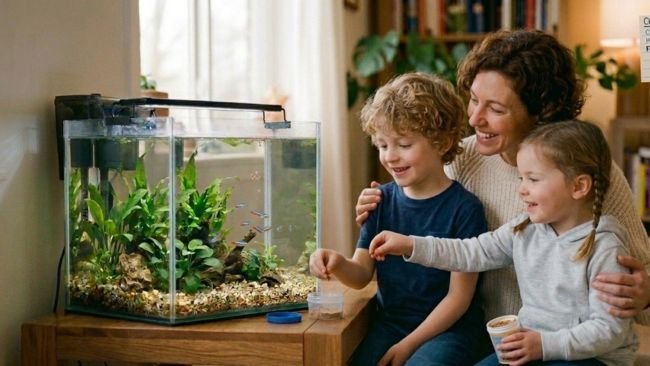
The biggest reasons parents choose fish is to teach children responsibility. Even simple daily routines like feeding the fish at the same time each day show kids the importance of consistency and caring for another living being. For older children, assisting with water changes, learning about filter maintenance and monitoring water parameters instills a deeper understanding of the commitment required to care for another living creature. This hands on involvement teaches that their actions have a real impact on the health and happiness of their aquatic friends. This builds a sense of duty without the overwhelming physical demands of larger pets.
Educational Benefits: What Children Learn from Caring for Fish:
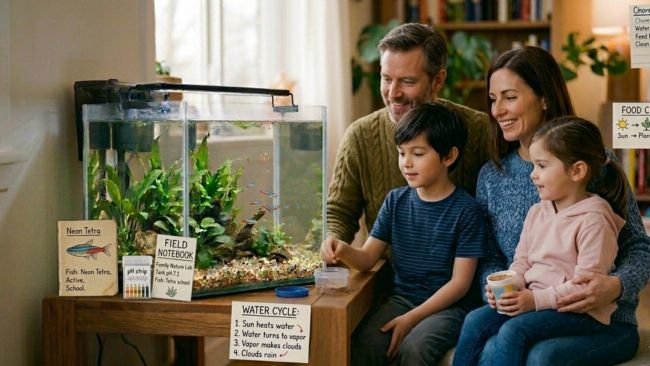
An aquarium is like a mini science classroom at home. Children learn about ecosystems, water chemistry, the nitrogen cycle and the needs of different fish species. Observing fish provides a window into biology, encouraging curiosity about how fish breathe, swim and interact within their environment. For younger kids, the bright colors and varied shapes of fish can also boost language skills, as they learn names and describe what they see. Beyond learning, observing fish encourages focus, attention and calmness. The benefits children prone to anxiety or those who need help with concentration. The benefits of having fish go far beyond simple companionship, they offer a rich, educational and engaging experience that grows with your child.
Developing Empathy and Emotional Connection:
Fish as pets cannot be cuddled, but children can still form a meaningful emotional bond with them. Learning about a fish’s specific needs, identifying when it might be stressed or unwell cultivates empathy. The serene motion of fish swimming can also be therapeutic, offering a calming presence in a child’s room. Contrary to losing a fish can be sad, it offers a gentle way to introduce children to life cycles and coping with loss. Thus, parents can guide them through these emotions in a safe and supportive environment.
Choosing the Right Aquatic Companions: Best Fish for Kids:
Choosing the right fish for your children is key to a positive experience. Not every species is suitable for beginners, some require more specialized care than a child can realistically provide. this makes it crucial to find hardy and peaceful fish that thrive in typical aquarium conditions. When selecting fish for your kids, look for species known for their resilience, adaptability and engaging behavior. They are easier to care for and more likely to spark curiosity and enjoyment, making the experience rewarding for both children and parents.
When considering the best fish for kids, focus on species known for their resilience and adaptability. Some excellent choices often recommended for their hardiness and engaging behavior include:
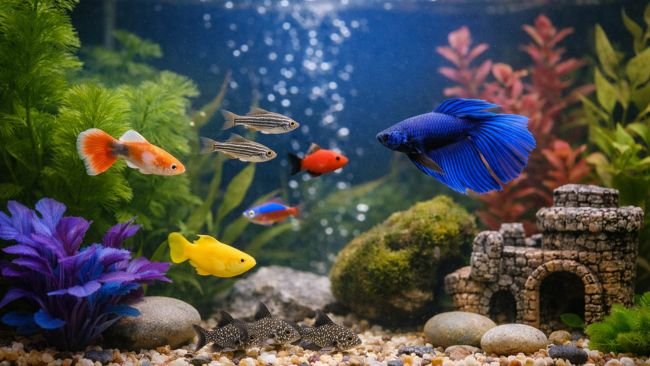
- Guppies and Mollies: These livebearers are colorful, active, and relatively forgiving of minor water fluctuations. They are also prolific breeders, which can be a fascinating learning experience for children (though parents should be prepared for the population growth!).
- Platies: Similar to guppies and mollies, platies come in a wide array of colors and are very peaceful.
- Zebra Danios: Energetic and schooling fish, Danios are robust and thrive in a range of temperatures, making them a very low stress option.
- Corydoras Catfish: These peaceful bottom-dwellers are fascinating to watch as they scavenge for food. They are hardy and do well in groups, adding interest to the lower levels of the tank.
Avoid fish that grow too large, like common goldfish which can quickly outgrow a typical home tank, aggressive species or those that need very specific water conditions. Choose low maintenance, kid friendly fish that can handle the learning curve of a young aquarist while still providing a fun and engaging experience.
Setting Up a Kid-Friendly Environment:
A fish tank for children should be a safe, engaging and manageable ecosystem. Choosing the right size, location and equipment is key to ensuring both the fish and the child have a positive experience. While a tiny tank might seem convenient for kids, a slightly larger aquarium 10 to 20 gallons is usually more stable for beginners. More water helps dilute waste, keeping water conditions easier to manage.
Ensure the tank is placed on a sturdy, level surface that can support its full weight (water is heavy!) and away from direct sunlight or drafts that can cause temperature fluctuations. Safety should be always priority, consider anchoring larger tanks if there is any risk of tipping. Key equipment includes:
- Reliable Filter: Keeps the water clean and healthy. Internal or hang-on-back filters are usually easiest for beginners.
- LED Lighting: Energy efficient and safe. A timer is an excellent addition to ensure consistent light cycles, a task that can be assigned to an older child.
- Heater (for tropical fish): Paired with an accurate thermometer to maintain stable water temperature.
- Gravel Vacuum: A simple tool that makes cleaning the tank substrate quick and easy, turning maintenance into a hands on learning activity.
- Water Test Kit: Lets children monitor water quality and understand the invisible factors that keep their fish healthy.
This ownership in the design process fosters their connection to the aquarium. Parents should recognize that adult supervision is essential, especially at the beginning. Fish are not truly low maintenance pets for kids, if there is no parent involvement.
Families should approach fishkeeping with realistic expectations and active parental involvement. By carefully selecting hardy, beginner friendly species and setting up a thoughtfully designed tank, you create a safe and engaging environment for kids. Following simple fish care routines and maintaining consistency ensures both the fish thrive and the child enjoys a rewarding learning experience.
Fishkeeping can be a truly enriching family journey, offering opportunities to bond over shared responsibility, build life skills and develop a lasting appreciation for aquatic life. With preparation, patience and dedication, a fish tank can be a perfect first step into the world of pets for your child.