
Embarking on the journey of bird ownership for the first time is an exciting endeavor. The vibrant colors, unique personalities, and engaging behaviors of birds can bring immense joy to a home. However, to ensure a truly harmonious and healthy relationship, understanding the fundamental aspects of avian care is paramount.
This comprehensive first time bird owner’s guide is designed to provide aspiring bird keepers with essential knowledge, helping them navigate the initial steps with confidence. To know more about birds as pets, this provides actionable insights for a successful and rewarding experience.
Before a bird arrives, thoughtful preparation of its environment and understanding its needs are essential. Preparation is crucial for any new bird owner.
Birds As Pets: Selecting the Ideal Companion
Choosing the correct bird species is perhaps the most critical initial decision for a first time bird Owner. It is advisable to focus on best pet birds for beginners, as these species are generally more adaptable, forgiving of novice mistakes and have more straightforward care requirements.
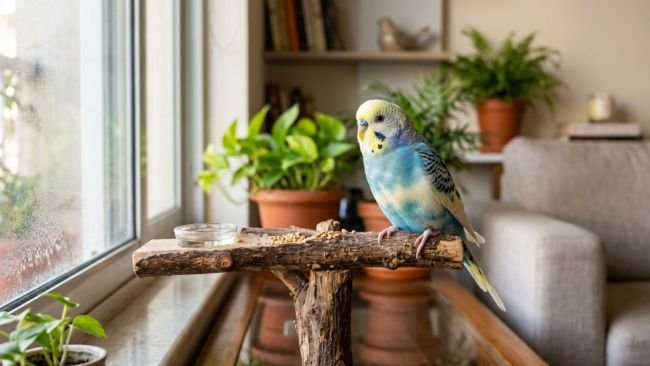
When considering best pet birds, assessing factors like size, noise level and interaction needs is important. Here are common recommendations for beginner friendly bird species that are often considered easy birds to take care of for beginners:
- Parakeets (Budgies): These small pet birds are active, intelligent and can be quite vocal, with many learning to mimic words. They are relatively easy to care for and adapt well to various home environments. Parakeet care tips emphasize spacious cages and a varied diet beyond just seeds.
- Cockatiels: Known for their gentle nature and ability to form strong bonds, cockatiels are excellent companion parrots for beginners. They enjoy interaction and can learn to whistle melodies. Their needs are manageable for a new owner, making them a popular choice among friendly birds for beginners.
- Finches (e.g., Zebra Finches, Society Finches): While not typically hand-tamed, finches are enjoyed for their visual appeal and soft chirping. They thrive in small flocks and are generally low-maintenance birds for observation, making them suitable for those seeking quiet pet birds for beginners. Finches for beginners are ideal if you prefer a less interactive pet.
- Canaries: Renowned for their beautiful singing, canaries are another delightful choice for new owners. They are more observational pets but provide wonderful auditory companionship. Their care is relatively simple, focusing on diet and a clean, stimulating environment.
For those wondering about best pet birds for beginners that talk, parakeets are an accessible option, though their vocabulary may be less extensive than larger parrots. If considering a green cheeked conure, be aware they are a step up in commitment, offering more personality but also need more specific care than the aforementioned species.
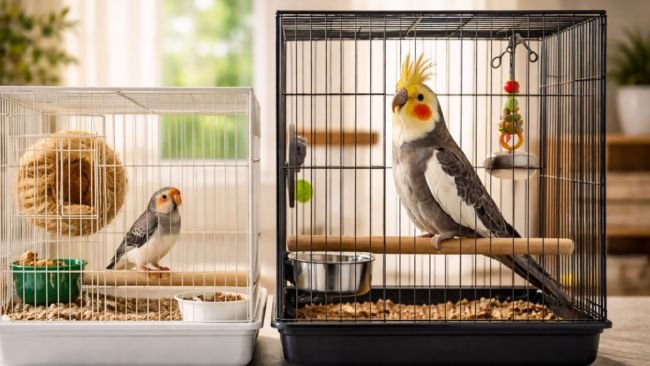
- Best Pet Birds for Kids: For children, highly interactive yet relatively low-maintenance birds like parakeets or cockatiels are often ideal. They are small enough to be less intimidating, and their playful nature can foster a strong bond.
- Best Pet Birds for Seniors: Best pet birds for seniors often include those that offer companionship without overwhelming care requirements. Finches, canaries, and even gentle cockatiels can be wonderful choices, providing quiet companionship or musical enjoyment.
Preparing Bird Cage
Bird’s cage is its primary home and a proper bird cage setup checklist is non negotiable for its well being. This requires careful planning and sourcing the right pet bird supplies for beginners.
- Size Matters: The cage must be large enough for the bird to fully stretch its wings in all directions without touching the bars or toys. Horizontal space is often more important than vertical for many species. An appropriate beginner bird cage setup prevents stress and promotes activity.
- Bar Spacing: Ensure the bar spacing is appropriate for the chosen species, it must be narrow enough to prevent escape or injury.
- Materials: Stainless steel is highly recommended for bowls and cage bars due to its durability and ease of cleaning.
- Perches: Provide a variety of perches made from different materials (natural branches, rope, concrete etc.) and varying diameters. This promotes foot health and prevents sores. Avoid dowel perches as the sole option.
- Food and Water Bowls: Position these away from perches to minimize contamination from droppings.
- Toys: Birds require mental stimulation. A rotating selection of bird safe toys including shreddable items, foraging toys and bells, is essential. This addresses the common need for interactive toys for beginner birds.
Considering “what to buy for a first bird” extends beyond just the cage, encompassing all these necessary accessories found on a pet bird supplies checklist. These essentials support long term health and happiness.
Caring for birds as pets: Daily Routines and Essentials
Once the bird is home, establishing consistent daily routines for beginner bird care is vital. This is where a first time bird owner truly begins to learn how to care for a pet bird.
Nutrition Fundamentals: First Bird Diet Guide
Proper pet bird nutrition is the cornerstone of avian health. A common first pet bird mistakes to avoid is relying solely on a seed based diet, which lacks essential nutrients.
- High Quality Pellets: These should form the majority (around 60-80 percent) of a bird’s diet. They are nutritionally complete and formulated for specific species. When considering best bird food for new owners, look for species specific pelleted diets.
- Fresh Fruits and Vegetables: A daily variety of bird safe fresh produce provides vital vitamins and minerals. Examples include dark leafy greens, carrots, apples and berries. Always research thoroughly to avoid toxic foods.
- Limited Seeds and Treats: Seeds can be offered sparingly as treats or as a small portion of the diet due to their high-fat content.
A detailed first bird diet guide will emphasize balance and variety for sustained health.
Maintaining a Clean Environment
Regular cleaning is fundamental to preventing illness. One must learn how to clean a bird cage properly.
- Daily: Change food and water bowls, wipe down soiled areas of the cage.
- Weekly: Thoroughly clean the entire cage, including perches and toys with a bird safe disinfectant.
- Regularly: Replace worn or broken toys and perches.
Ignoring hygiene is one of the common bird owner mistakes that can lead to health problems.
Daily Interaction and Socialization
Birds are intelligent and social creatures. Consistent interaction is vital for their mental well being and for forming a strong bond.
- Spend dedicated time each day talking to the bird, offering gentle reassurance and observing its behavior.
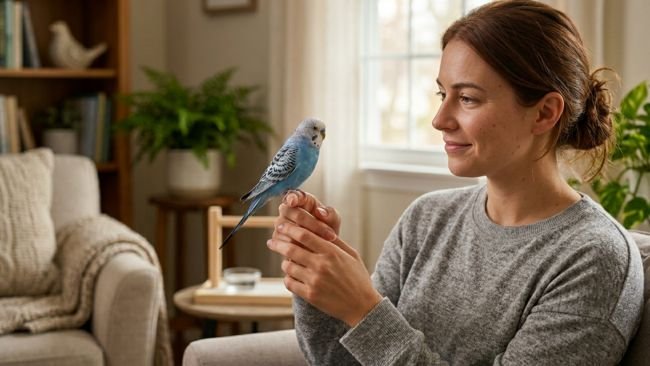
- For species that enjoy handling, gradual and positive training sessions can be started. Learning how to train a bird to step up is an excellent initial goal, as it facilitates easier handling and interaction. This forms part of first bird training essentials.
- Offer foraging opportunities to keep their minds engaged.
Understanding Bird Behavior and Health
A successful first time bird owner goes beyond basic care, learning to understand avian communication and recognizing signs of health and illness.
Birds communicate through a variety of subtle cues. Understanding bird body language is crucial for effective interaction and for recognizing comfort or distress.
- Fluffed Feathers: Can indicate relaxation or illness. Context is key.
- Beak Grinding: Often a sign of contentment, especially before sleep.
- Feather Ruffling: Part of preening or a sign of agitation.
- Tail Bobbing: Can indicate excitement, or if excessive, respiratory distress.
Building Trust: How to Bond with a New Bird
Patience is paramount when learning how to bond with a new bird. Trust is earned gradually.
- Start by speaking softly near the cage.
- Offer treats through the bars.
- Never force interaction. Allow the bird to approach and initiate contact.
- Consistent, positive reinforcement during first bird training essentials also builds trust.
Recognizing Health: First Time Bird Health Tips
Vigilance in observing a bird’s daily habits is the best first time bird health tips. Birds are adept at hiding illness as a survival mechanism.
- Signs of a Healthy Pet Bird: Bright eyes, clean nostrils, smooth feathers, active and alert behavior, consistent eating and drinking and firm, consistent droppings.
- Signs of Illness: Fluffed feathers for extended periods (when not sleeping), lethargy, changes in droppings, discharge from eyes or nostrils, difficulty breathing, changes in appetite or thirst or unusual lumps or swellings.
If any common beginner bird illnesses or concerning symptoms are observed, immediate consultation with an avian veterinarian is critical. An avian vet specializes in birds and is best equipped to provide proper diagnosis and treatment. The average cost of pet bird vet visits in Tier 1 countries can vary, but regular check ups are a vital preventative measure that can save significant costs in the long run.
Avoiding Common Pitfalls and Long Term Considerations
To ensure a positive experience, first time bird owner should consider advice on avoiding common pitfalls and planning for the long term.
Common Mistakes to Avoid:
- Inadequate Cage Size: A common error leading to stress.
- Poor Nutrition: A seed-only diet leads to deficiencies.
- Lack of Stimulation: Boredom results in destructive behaviors or feather plucking.
- Ignoring Signs of Illness: Delaying vet care can be fatal.
- Clipping Wings Incorrectly: Can lead to injury or psychological distress. It is important to research the wing clipping for pet birds pros cons thoroughly and seek professional guidance. This serves as a vital learning curve for new owners.
Ensuring pet bird safety tips are followed throughout the home is vital. This includes:
- Keeping birds away from open windows, fans, hot stoves and other household hazards.
- Avoiding toxic fumes from non stick cookware, aerosols and strong cleaning products.
- Supervising interactions with other pets or young children.
Birds can live for many years, with some companion parrot species living for 50 years or more. This is a long term commitment that requires consistent care, financial planning and dedication to their well being throughout their entire lifespan.
The lifespan of easy care birds like parakeets is typically 5-10 years, which is still a significant commitment. Understanding the daily care for beginner birds also involves time commitment for interaction and cleaning.
Becoming a first time bird owner is a deeply rewarding experience, but it requires preparation, patience and a commitment to continuous learning. By following this first time bird owner’s guide, understanding the essentials of beginner bird care and committing to providing a stimulating and healthy environment, individuals are well equipped.
The journey begins with knowing “what you need to do” and “what you need to learn” to welcome a feathered companion into a home. With proper care and understanding, a bird can become a cherished and vibrant member of the family for many years to come, truly becoming one of the best pet birds to have.
Birds do not just brighten a room with color and song – they also provide companionship, emotional balance and moments of quiet joy that enrich daily life.
Next ▶ 🐦 | Small vs. Large Birds
By Pettopedia Editorial Team
Pet Care Research & Content Team
Pettopedia Editorial Team is dedicated to helping pet parents make informed and confident decisions for their pet companions. Our articles are created through in depth research, practical insights with a strong understanding of animal behavior, nutrition and everyday pet health needs. Each piece is written to provide clear, reliable and actionable guidance that pet parents can trust.
Every Pettopedia article is carefully reviewed and updated to ensure accuracy, relevance and alignment with current pet care best practices. By combining a structured, long term content roadmap with a commitment to authenticity, Pettopedia aims to be the definitive digital encyclopedia for the modern pet parent. We aim to deliver content that is not only informative but also genuinely helpful in real life situations, which will help you and your pets thrive.