
As devoted animal lovers, many of us find that cats as pets offer a unique blend of independence and affection that few other creatures can match. Their mysterious personalities and charming quirks create a bond unlike any other, making them beloved companions for households around the world. Understanding cats as pets from their behaviors to their care needs helps owners nurture a relationship that is both rewarding and lasting. From the ancient reverence in Egypt to the deeply personal bonds forged in homes across the USA, UK, Canada and all other cat loving countries, the feline mystique is a universal language. This article is a foundational guide to truly understand, appreciate and nurture these extraordinary companions. From essential cat care tips to insights on different breeds and ways to support their health, it provides everything you need to nurture a lifelong and rewarding bond with your feline companions. If you are still deciding whether a feline companion is right for you, it is helpful to review the key things to know before getting a cat.
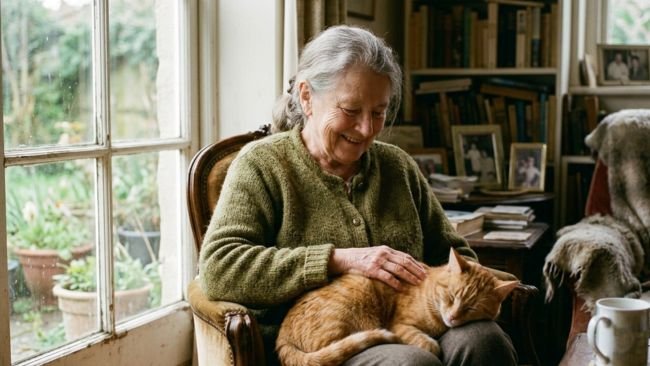
As cats became part of our homes, feline companions kept their signature independence, a trait that makes them so intriguing. Early humans soon realized that pet cats were not just charming, they were practical, helping keep pests at bay while quietly offering companionship. Over time, the bond deepened and turned domestic cats into beloved members of households, admired for both their grace and unpredictable personalities.
In early human settlements, as humans stored grain in the fertile crescent, rodents followed and with them came the African wildcat (Felis silvestris lybica), a skilled hunter drawn to easy prey. These early feline companions settled near humans, creating a quiet partnership, we gained pest control, they gained food. No collars or commands were needed, just a mutual arrangement that laid the foundation for the independent yet affectionate feline pets we welcome into homes today.
Understanding Your Cat: Behaviour and Communication
Cats communicate in subtle, fascinating ways and learning their language can be one of the most rewarding parts of ownership. Unlike dogs, which often show their feelings openly, feline companions speak through soft sounds, body movements, facial expressions and even scents. Paying attention to these cues is the key to a strong, harmonious bond and understanding cat behaviour is a journey that becomes more enjoyable every day.
- Understanding Cat Sounds and Gestures: Cats have a rich range of sounds, each carrying its own meaning. Their familiar purr usually signals contentment, though it can also show stress, while the meow is especially intriguing—it’s a sound cats developed mainly to communicate with humans. Whether asking for food, a gentle scratch, or simply letting us know they’re nearby, meows are their way of getting our attention. Beyond that, soft chirps and trills express greetings and affection, revealing just how expressive feline companions can be.
- The Unfurling Tale: A cat’s tail is an eloquent barometer of their emotional state. A high and gently swaying tail is a confident, happy greeting, a common sight from cats in homes across Canada or Australia as their humans walk through the door. A rapidly thrashing tail, however is a strong warning sign of irritation or impending aggression, a crucial signal to respect their space. A tail tucked low or between the legs speaks volumes of fear or submission.
- The Slow Blink And The Deep Gaze: Cat eye contact is incredibly powerful. The famous slow blink, often affectionately called a “cat kiss,” is a profound display of trust and relaxation. Observations across households and shelters globally have shown that when humans return this gesture with a slow blink, many cats respond in kind, reinforcing the bond. Dilated pupils can signify excitement or fear, while constricted pupils often indicate aggression or heightened alertness in bright light.
- The Scent of Security: Cats use scent glands on their cheeks, chin and paws to mark their territory as safe and familiar. When your cat rubs against your legs, they are not just being affectionate, they are depositing their unique scent, effectively “claiming” you as part of their secure world ,a deeply personal form of scent marking that speaks of comfort and belonging. Then there is kneading, the gentle and rhythmic pressing of their paws, often paired with a soft purr. This instinctive behaviour, carried over from kittenhood, is a clear sign of comfort and happiness. For many feline companions, it is one of the most unmistakable ways they show affection,
Exploring Cat Breeds and Their Personalities
While domestic shorthairs and longhairs make up most beloved feline companions, distinct cat breeds bring a fascinating variety of looks and personality traits. When deciding which cat to welcome into your home, understanding typical breed tendencies can be a helpful guide—but it’s important to remember that each cat’s individual personality may vary widely.
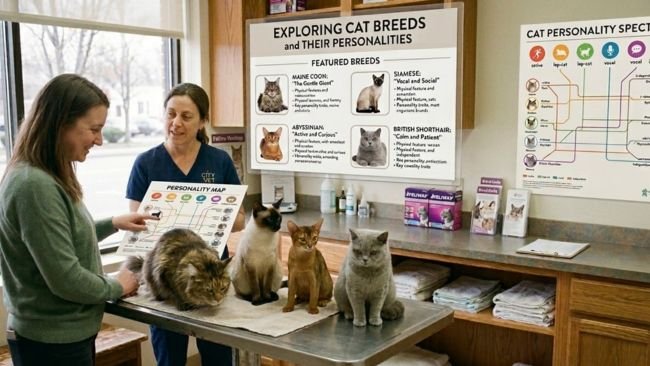
- The Regality of the Persian: With their flowing luxurious coats and notoriously sweet, gentle dispositions, Persians are true indoor aristocrats. They thrive in calm, stable environments and require significant, daily cat grooming needs to prevent painful matting, a commitment you must be prepared for.
- The Gentle Giant Maine Coon: Often affectionately dubbed the “dogs of the cat world,” these large and shaggy cats are celebrated for their playful, highly social and remarkably adaptable personalities. They frequently get along famously with children and other pets, making them a fantastic choice for families seeking cats good with children in spacious homes across Germany or Canada.
- The Opinionated Siamese: Their striking blue almond shaped eyes, sleek bodies and remarkably vocal nature set Siamese cats apart. They are intelligent, curious and demand attention, often engaging in lengthy conversations with their owners throughout the day, a common delight for cat owners from Denmark to Singapore.
- The Docile Ragdoll: True to their name, Ragdolls often go limp and relaxed when picked up, a testament to their incredibly docile and affectionate nature. These large, plush cats are known for their sweet temperament and make wonderful loving companions, easily blending into family life in countries like the Netherlands or New Zealand.
- The Wild Charm of the Bengal: With their distinctive spotted or marbled coats reminiscent of their wild heritage, Bengals are high energy, highly intelligent and often surprisingly fond of water. They require substantial cat enrichment activities and mental stimulation to keep their sharp minds and agile bodies engaged, thriving in environments that offer plenty of opportunities for exploration and interactive play.
- The Serene British Shorthair: Instantly recognizable by their plush, dense coats and round faces, British Shorthairs are typically calm, independent and amiable companions. They are often content with quiet companionship, making them well suited for individuals or families seeking a more relaxed feline presence in places like the UK or Austria.
The Pillars of Feline Well-being: Essential Cat Care
Across households, rescue centers, and feline care environments worldwide from pampered indoor cats in Zurich to shelter companions in Sydney, the foundation of a happy, healthy cat life consistently rests on a few essential principles. This overview of cat care is your starting point. Every potential owner should carefully weigh the pros and cons of owning a cat before committing to long-term care.
- The Right Fuel: Cats are obligate carnivores, meaning their diet must be primarily animal based. Providing food rich in protein ensures they get essential nutrients, such as taurine, which are vital for their health and well being as feline companions. Choose a high quality cat food appropriate for their life stage (kitten, adult, senior) and any specific cat health needs. Choosing high quality nutrition ensures your feline companion stays healthy, active and happy. Always provide fresh, clean water, a cat water fountain can often encourage reluctant drinkers.
- Litter Box Sanctuary: For indoor cats, the litter box is their personal space and its cleanliness is important. A good rule of thumb is to provide one litter box per cat, plus an extra. Scoop solid waste daily and completely change and clean the box at least once a week. Placement is important too, a quiet, private spot that is easy to access and away from food and water helps ensure your feline companions use it consistently.
- Grooming for Health: While cats are meticulous self groomers, they still need our help. Regular brushing, especially for long haired cat breeds, reduces shedding, prevents painful hairballs and keeps their coat healthy. Trimming nails every few weeks is important to prevent overgrowth, which can cause discomfort or even joint problems. Often overlooked, dental care is just as crucial, regular brushing with cat specific toothpaste helps keep your feline companion’s teeth and gums healthy, preventing painful issues down the line. Professional dental cleanings, as recommended by your veterinarian, play a vital role in preventing painful oral problems, a common issue among feline companions.
- Mind and Body: Play and Enrichment: Cats are natural hunters and even indoor feline companions need outlets for their instincts. Offering a variety of engaging toys including ones for chewing and spending time in interactive play with wand toys helps keep them active, mentally stimulated, and happy. Puzzle feeders are brilliant for mental stimulation, challenging their minds while they work for treats. Cat trees are not just furniture, they provide essential vertical space, allowing feline companions to climb, explore and observe their surroundings from a safe vantage point. This satisfies their natural instincts and helps keep them confident and content.
- The Lifeline of Veterinary Care: Regular veterinary visits are essential for every feline companion. Routine wellness check-ups let your veterinarian monitor overall health, provide necessary vaccinations tailored to your region and recommend appropriate prevention for fleas, ticks and heartworm. These appointments are a cornerstone of keeping your cat healthy, happy and thriving no matter where you live. Early detection of cat health issues through annual exams can prevent more serious, costly problems down the line. Talking with your veterinarian about spaying or neutering is an essential part of responsible cat ownership. This not only provides important health benefits but can also help prevent unwanted behaviors in your feline companion.
Why Cats Make Perfect Companions
Bringing a cat into your home is a meaningful decision, that comes with responsibilities and rewards. The joys of caring for a feline companion, from their playful antics to quiet moments of affection are truly immeasurable. Over time, these beloved animals become more than pets, they become family, offering companionship, comfort and a unique bond that enriches everyday life. Finding the right cat for your lifestyle ensures that the pet’s temperament and energy levels match your daily routine.
- Unconditional Companionship: Cats provide quiet, unwavering affection, often sensing our emotions and offering comfort with a gentle nudge, a soft purr, or simply by curling up beside us. These subtle gestures are part of what makes feline companions such cherished members of the family. Their quiet presence can be incredibly soothing. First hand how the gentle purr of a cat can soothe and calm even the most stressed individuals, whether in the quiet of a home or the busy streets.
- Stress Reduction and Well-being: A cat’s gentle purr is not just soothing, it can help lower stress, reduce blood pressure and even support heart health. Simply petting a feline companion can release oxytocin, the “love hormone,” helping you feel calm and connected.
- Graceful Independence: Compared to many other pets, cats are relatively self sufficient. They do not require walks, are largely content with indoor living and meticulously handle their own grooming. This makes them wonderfully adaptable companions for apartment living or for individuals with busy professional lives.
- A Touch of the Wild: Cat’s natural hunting instincts make them entertaining to watch. They can also be surprisingly effective and ethical at keeping indoor pests, like insects, under control. These instincts are part of what makes feline companions so engaging and unique.
- Longevity: With proper care and preventative medicine, many cats live well into their teens, offering many years, sometimes two decades or more of cherished moments and unwavering cat companionship.
Before Bringing a Cat Home: Important Considerations
Before starting this rewarding journey, take a moment to be honest with yourself. Bringing a feline companion into your home is not just about love and excitement, it also requires practical preparation and a real commitment to their care.

Time Commitment: Even independent and self grooming cats need daily interaction, playtime, feeding, litter box maintenance and regular veterinary visits. Are you prepared for this consistent commitment for potentially 15-20 years? There have been situations where well-meaning individuals simply underestimated the daily needs, leading to stress for both pet and owner.
Financial Readiness: Beyond initial adoption fees and supplies, budget for the ongoing cost of cat ownership. This includes high quality cat food, annual vet care, potential emergency veterinary treatment costs and perhaps pet insurance. These can add up significantly over a long lifespan.
Lifestyle Match: Does your lifestyle align with a cat’s needs? Are you a frequent traveller? If so, plan for reliable pet sitters or boarding. Consider if your home is truly safe (preparing home for new cat safety) and if you have any existing pets or young children who will need careful, gradual introductions.
Allergies: Check whether anyone in the household has cat allergies before making a decision. If possible, spend some time around feline companions, including the breed you are considering, to see how your body reacts. Even breeds often described as hypoallergenic can still trigger allergies in some people.
Cat adoption from a reputable shelter or rescue organization is a truly commendable path. These organizations often have a deep understanding of each cat’s cat personality and many cats come spayed/neutered, vaccinated and micro chipped, easing your initial transition. Preparing your home properly is essential, so review this guide on bringing a new cat home before the adoption day arrives.
The world of cats is filled with quiet charm, intelligence, and deep affection. By understanding their history, learning their subtle ways of communicating and caring for their needs with attention and patience, you can build a truly meaningful bond. This knowledge is only the beginning of a rewarding journey with your feline companion, one that brings companionship, comfort and lasting joy.
Our Recommended Next Reads →