
A growing number of individuals are captivated by the prospect of bringing a dynamic aquatic ecosystem into their living space. Perhaps you have seen a friend’s serene aquarium or just need a calm presence in your space. Whatever the reason, you are considering diving into the world of fishkeeping.
The very first, and arguably most important, decision you will face is choosing fish species for beginners. This is not just about picking the prettiest fish at the store; it is about setting yourself and your future finned companions up for success.
Many new aquarists jump in without enough knowledge, leading to stressed fish, cloudy tanks and often disappointment. This guide aims to prevent that. We will explore the best fish species for beginners, focusing on their temperament, care needs, and how they fit into different aquarium setups.
Consider this your essential beginner aquarium fish guide, designed to help you make informed choices that lead to a thriving, joyful aquatic hobby. Forget the misconceptions; true success comes from matching the right fish to the right environment, right from the start.
📚 Also Read ➤ 🐟 | Pros And Cons Of Keeping Aquarium Fish As Pets
Why the Right Choice Matters: Setting Up for Success
When you first walk into a pet store, the sheer variety of aquarium fish can be mesmerizing. Rainbow colored guppies, majestic bettas, sleek tetras all vying for your attention. It is easy to get carried away.
However, an impulse buy can quickly turn into a disheartening experience if the fish is not suited for a beginner, or if it is incompatible with the tank you have in mind.
The goal is not just to keep fish alive; it is to help them thrive. This means providing an environment where they can exhibit natural behaviors, grow to their full size and live out their expected lifespan. Choosing easy pet fish species means selecting fish that are:
- Hardy: They can tolerate slight fluctuations in water parameters, which are common as a new aquarist learns the ropes.
- Peaceful: They will not bully or stress other tank mates (if you plan a community tank).
- Reasonably Sized: They will not quickly outgrow their tank, forcing an upgrade or rehoming.
- Readily Available: Easier to find healthy specimens from reputable sources.
- Simple to Feed: They are not picky eaters.
Picking fish that fit these criteria drastically increases your chances of enjoying the hobby rather than battling constant problems. It lessens the initial cost to maintain a fish tank in terms of replacing sick fish and ensures your efforts are rewarded with vibrant, happy inhabitants.
Understanding the Habitat: Tank Size and Water Type
Before we even name a single fish, let us talk about their home. The size of your tank is perhaps the most critical factor in choosing fish species for beginners. While some might be tempted by a tiny, decorative tank, understand this: smaller tanks are actually harder to maintain. They are less stable chemically, and toxic compounds can build up quickly.
For most freshwater fish for beginners, a minimum of 10 to 20 gallons is a far better starting point than a 5 gallon or smaller tank. This larger volume provides a buffer against mistakes and allows for a more stable ecosystem. If you are wondering how many fish can you keep in a 10 gallon tank, the answer is often fewer than you think, especially if you want them to be truly comfortable. Overstocking is a very common mistake and a fast track to problems.
Most beginner friendly fish are freshwater fish for beginners. This simplifies water chemistry immensely compared to saltwater setups, which are generally for more experienced aquarists. We will focus entirely on freshwater species here, as they are truly the entry point into the hobby. You also will not have to worry about what fish can live without a filter the answer is very few and none will truly thrive long term. Filtration is non negotiable for a healthy aquatic environment.
📚 Also Read ➤ 🐟 | Are Fish Good Pets for Kids?
Top Freshwater Fish for Beginners
Below are some of the most reliable and rewarding easy pet fish species that make excellent choices for new aquarists. This is your initial fish species list for new aquarists, providing a solid foundation for your first tank.
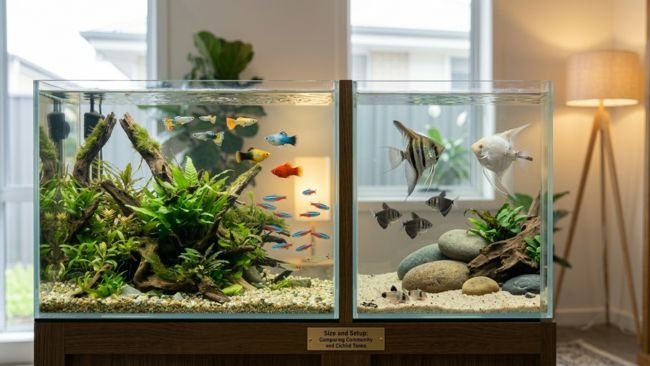
Guppies (Poecilia reticulata): Often considered the quintessential tropical fish beginner species, guppies are a burst of color and activity.
- Why they are great: They are incredibly hardy, adapt well to various water conditions and come in countless vibrant colors and fin patterns. They are generally peaceful freshwater fish beginners can easily keep in a community tank.
- Things to know: Guppies are livebearers, meaning they give birth to live fry. If you keep males and females together, you will have baby fish. Plan accordingly! Their active nature means they appreciate a bit of swimming space.
Mollies (Poecilia sphenops) and Platies (Xiphophorus maculatus): Like guppies, mollies and platies are livebearers known for their robustness and adaptability.
- Why they are great: They are a fantastic choice for low maintenance fish for beginners. They are active, colorful and peaceful, making them excellent community tank inhabitants. Platies stay a bit smaller than mollies, which can grow quite large depending on the type.
- Things to know: Similar to guppies, they breed readily. Some molly varieties prefer slightly harder and more alkaline water.
Neon Tetras (Paracheirodon innesi): These shimmering jewels are iconic in the aquarium hobby.
- Why they are great: Their striking blue and red stripes are captivating, and they are generally peaceful. They are a classic example of small tank fish species (though they need space to school). They add a beautiful schooling dynamic to a tank.
- Things to know: They are schooling fish and should be kept in groups of at least 6-10 to feel secure and display their natural behaviors. While small, a larger tank (15-20 gallons minimum) is preferred for a good-sized school.
Betta Fish (Betta splendens): The Siamese Fighting Fish, known for its stunning fins and captivating personality. Are betta fish easy to care for? Yes, if you give them proper conditions.
- Why they are great: Their individual personalities are fascinating. They are easy to care for fish for beginners if provided with a proper, heated, filtered tank (minimum 5 gallons, preferably 10+), not the tiny bowls they are often sold in.
- Things to know: Males cannot typically be kept together. While generally peaceful towards other species, they can be aggressive towards overly flashy fish or those with long fins. They appreciate calm, slow moving water and plenty of hiding spots. They are definitely among the top 5 beginner aquarium fish for personality.
Corydoras Catfish (Corydoras sp.): These small, armored catfish are adorable bottom-dwellers.
- Why they are great: They are excellent tank cleaners, constantly sifting through the substrate for food bits. They are very peaceful, community friendly and make great additions to any freshwater fish for beginners setup. They are also quite hardy.
- Things to know: They are schooling fish and should be kept in groups of at least three, preferably six or more. They need a soft substrate (sand or fine gravel) to protect their delicate barbels.
Danios (Danio rerio): Active, zippy fish known for their striped patterns.
- Why they are great: Danios are incredibly hardy, tolerant of a wider range of temperatures than many tropical fish and constantly on the move, adding energy to a tank. They are a true hardy fish for small tanks if stocked appropriately.
- Things to know: They are schooling fish and need to be kept in groups. Their high activity level means they appreciate longer tanks for swimming space, even if they are relatively small.
While the above list provides excellent starting points, making the final decision for choosing fish species for beginners involves a few more crucial considerations:
- Tank Mates – The Art of Compatibility: If you are planning a community tank, compatibility is paramount. Peaceful freshwater fish beginners should look for species that have similar temperament, size, and water parameter requirements. A peaceful fish can become stressed and sick if housed with an aggressive or nippy species. Always check compatibility charts before mixing fish.
- Researching Specific Needs: Every species has specific requirements regarding water temperature, pH, hardness, and diet. While the low maintenance fish for beginners are more forgiving, understanding their specific needs ensures optimal health. For example, some tropical fish beginner species prefer slightly warmer water than others. Do not just rely on general advice; look up the specific needs of each fish you are considering.
Debunking Myths: Are Goldfish Good Starter Pets?
Despite their common association with beginners, are goldfish good starter pets? The reality is, common goldfish (the cheap ones often won in fairs) are not ideal beginner fish for typical setups.
They grow very large (over a foot long), produce a huge amount of waste, and require massive tanks (50-75+ gallons per fish) to thrive. They are cold-water fish and should not be kept with tropical species.
Fancy goldfish are slightly smaller but still need significant space and excellent filtration. While hardy in terms of temperature range, their high bio load makes them challenging for novices to keep in good health in smaller aquariums. This is a crucial piece of insight often missed.
Fish for Kids
If you are looking for the best fish for kids to take care of, focus on hardiness and visibility. Guppies, mollies, and platies are excellent choices due to their active nature and resilience.
A betta fish can also be great, as their individual personality is easy for a child to connect with, provided an adult ensures proper tank size and care. Teaching kids about fish responsibility can be incredibly rewarding.
Setting Up Their Home: A Quick Guide for Success
Fish can only be as healthy as its environment. Before you bring home any easy pet fish species, ensure your tank is fully set up and cycled. This process, often called “cycling the tank,” establishes beneficial bacteria that break down toxic fish waste.
It typically takes a few weeks and rushing it is the common mistake new fish owners make that leads to sick or dying fish. You will also need to consider basic fish tank essentials for beginners like a filter, heater, substrate and thermometer. Do not try to find what fish can live without a filter; invest in a proper setup.
Choosing fish species for beginners is more than just a purchase; it is the beginning of a fascinating journey. By selecting the best fish species for beginners and taking the time to understand their needs and their environment, you set the stage for years of enjoyment. This beginner aquarium fish guide should empower you to make confident, informed decisions.
Previous ◀ 🐟 | Freshwater vs Saltwater Fish
Next ▶ 🐟 | Hidden Costs of Keeping Fish What Beginners Must Know