
The decision to welcome a pet bird into a home is a delightful prospect, yet it is also one that calls for careful consideration. The vast diversity within the avian world means that while a bird can be an immensely rewarding companion, selecting the ideal species requires more than just admiration for its plumage or song.
It necessitates a thoughtful alignment between the bird’s inherent needs and an individual’s actual living situation and daily routine. The core inquiry for many becomes, “what bird is right for me?” This article aims to serve as a comprehensive guide, assisting individuals in choosing the right pet bird for their lifestyle and ultimately ensuring a harmonious partnership.
Understanding Choosing The Right Pet Bird For Your Lifestyle
Before embarking on the exciting journey of choosing a bird as pet, a crucial preliminary step involves an honest assessment of one’s own lifestyle. A bird has distinct requirements and a mismatch in expectations can lead to distress for both the avian companion and the human owner. This foundational understanding is key to choosing the right pet bird for your lifestyle.
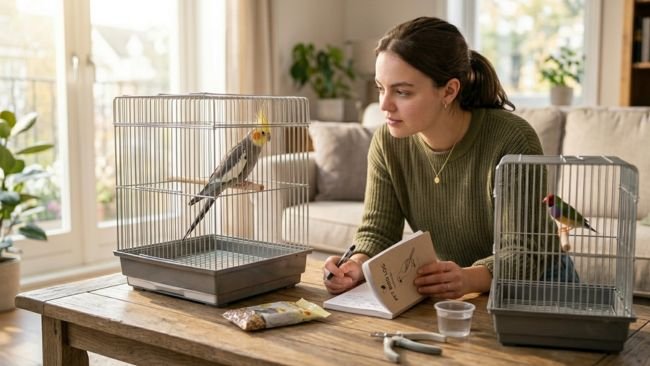
Time Commitment: Are You Prepared for Daily Interaction?
One of the most significant factors to evaluate is the amount of time available for daily interaction and care. Many popular pet bird species are highly social animals that thrive on companionship and suffer if neglected.
While some individuals seek low maintenance bird pets, it is important to know that no pet bird is entirely maintenance free. Even the most independent species will require daily feeding, water changes and observation.
- For individuals with a very busy schedule, perpetually searching for birds for busy people options such as finches or canaries might be more suitable. These birds are primarily enjoyed for their visual appeal and melodious songs, often content with observing their surroundings rather than constant direct handling. They are frequently considered easy birds to take care of due to their lower demands for direct human interaction.
- If one desires a highly interactive companion, a parrot or cockatiel could be an excellent choice, provided ample daily time is dedicated to their social and mental stimulation. These species require significant engagement to prevent boredom and behavioral issues.
Space Considerations: Best Pet Birds for Apartments and Smaller Homes
The physical space available in a living environment plays a critical role in choosing the right pet bird for your home. Birds require adequate cage space for stretching, climbing and placing toys and perches. A cramped cage can lead to stress and health problems.
- For those in smaller dwellings, seeking best pet birds for apartments or best pet birds for small homes, options like parakeets (budgies), finches or canaries are generally well suited. Their compact size allows for appropriately sized cages without overwhelming a room. These are often among the best birds for first time owners in urban settings due to their manageable space needs.
- Larger parrots, such as macaws or cockatoos, demand very substantial cages and often dedicated “out-of-cage” playtime in a bird proofed area. Space requirement is always tailored to the species you choose.
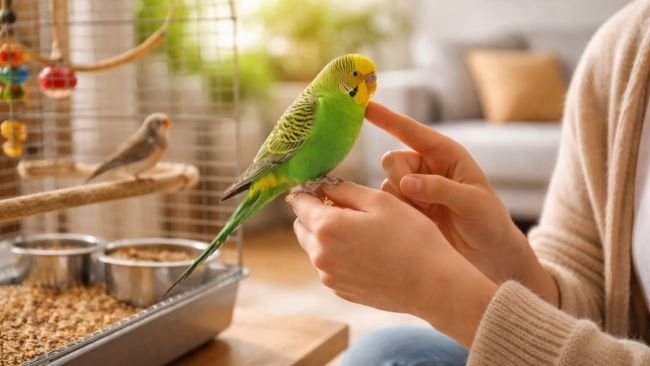
Quiet Pet Birds for Apartments Versus Vocal Companions
The sound a bird produces is a frequently overlooked but is a vital consideration. Some avian species are naturally more vocal than others.
- Individuals who prefer a serene home environment, perhaps requiring a bird for quiet home environment, might gravitate towards species like finches or canaries, known for their softer and more melodic vocalizations. These are truly quiet pet birds for apartments.
- Those who enjoy a lively atmosphere might appreciate the spirited chirps of a parakeet or the whistles of a cockatiel. However, it is essential to be aware that many parrot species can produce very loud squawks and shrieks. Researching bird vocalization levels by species is highly advisable to avoid surprises.
Choosing the Right Pet Bird for Your Health
For some individuals, health considerations, particularly allergies are important. Certain bird species produce more dander (fine feather dust) than others, which can trigger allergic reactions.
- Individuals prone to allergies should research allergy friendly bird breeds and consider species known for producing less dander, such as eclectus parrots, toucans or certain types of finches.
- Consultation with a medical professional regarding pet allergies is always recommended before acquiring any animal.
Matching a Bird to Your Personality
Beyond practicalities, the personality of a bird significantly impacts the bond forged with its owner.
Different species and even individual birds within a species, exhibit varied temperaments. Understanding pet bird personality guide information is critical.
Interactive Pet Bird Options
How much direct interaction does one desire? This question helps narrow down which is the best bird to keep as pet based on social needs.
- If seeking an interactive pet bird options species like cockatiels, conures and many parrot types are known for their intelligence and desire for human engagement. They thrive on play, training and affectionate handling.
- Many of these also fall into the category of pet birds that talk, adding another layer of engagement for some owners.
- If observing from a distance is preferred, finches or canaries offer beauty and song without demanding constant physical attention. These are often great for those who value beauty and sound over hands on interaction.
Temperament of Different Pet Birds
Each species possesses general temperament traits.
- Parakeets are often playful and can be quite chatty. They are also considered among the best birds for first-time owners.
- Cockatiels are generally sweet natured and affectionate, making them excellent companions, particularly for those new to birds.
- Lovebirds, despite their name, can be quite feisty and require firm, consistent handling if kept individually. Understanding love birds price is also important, as they are a popular choice.
- Larger parrots exhibit complex personalities, ranging from the gentle nature of an African Grey to the bold charisma of an Amazon. Researching the temperament of different pet birds is crucial for aligning with one’s own personality.
Best Birds for Families
For households with children or multiple occupants, considering best birds for families involves assessing patience, noise tolerance and the potential for shared responsibility.
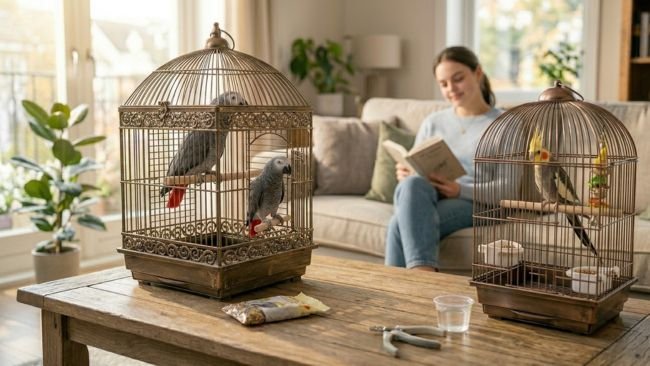
Some birds thrive on a bustling family environment, while others prefer quieter settings. Parakeets and cockatiels are often recommended due to their generally tolerant and adaptable natures.
Practicalities of Ownership: Beyond the Initial Fascination
Once lifestyle and personality considerations are addressed, the practical aspects of owning a bird come into sharp focus. This phase helps solidify the decision regarding how to select the right pet bird for you.
Initial Setup and Ongoing Costs
- The cost to own a pet bird long term involves more than just the purchase price. Initial expenses include a suitable cage, perches, toys and food bowls.
- A comprehensive pet bird cage setup is vital for the bird’s well-being and security. The cage must be appropriately sized for the species and equipped with various perches to promote foot health.
- Ongoing costs encompass high-quality avian pellets, fresh fruits and vegetables, replacement toys (which birds often destroy) and regular veterinary check ups.
- Emergency vet visits can be substantial. It is imperative to budget for these recurring expenses.
Daily Care and Maintenance
- Understanding bird care tips is important. This includes daily cleaning of food and water bowls, regular cage cleaning, and ensuring a balanced diet.
- A crucial component is pet bird nutrition, which should consist primarily of high quality pellets supplemented with fresh produce, not just seeds.
- Many species, particularly easy birds to take care of simplify some of these routines, but none eliminate them entirely.
- Many birds benefit immensely from pet bird training. This can range from teaching basic commands like “step up” to more complex tricks or speech.
- Training provides mental stimulation and strengthens the bond between bird and owner. Enrichment, through a rotating selection of toys and foraging opportunities, is vital for preventing boredom and behavioral issues.
- For individuals interested in pet birds that talk, consistent training is also key.
Health Considerations
- While birds can contribute positively to bird companionship mental health for owners, one must also be prepared for potential avian health issues.
- Regular veterinary check ups with an avian veterinarian are essential for preventive care.
- Knowing how to recognize subtle signs of illness is also a critical aspect of responsible ownership.
Top Picks For Right Pet Bird For Your Lifestyle
Based on common lifestyle factors, here are some recommendations for individuals looking to choose the right pet bird:
For the New Owner / Limited Time / Seeking an Easy Bird to Take Care Of
- Finches (e.g., Zebra Finches, Society Finches): Small, beautiful, and melodious. They are very independent, requiring minimal direct handling. Their enjoyment comes from observing them, making them a top choice for a low maintenance bird pets category.
- Canaries: Known for their beautiful songs, especially the males. Like finches, they are primarily observational pets.
For Apartment Dwellers / Moderate Interaction / Seeking Quiet Birds for Apartments
- Parakeets (Budgies): Small, playful, and can be taught to talk. They are relatively quiet compared to larger parrots and adaptable to smaller spaces, making them strong contenders for best pet birds for apartments and best birds for first time owners.
- Cockatiels: Affectionate and gentle, they enjoy interaction and can learn to whistle tunes. Their vocalizations are typically softer than larger parrots. Also a good option for best birds for families due to their amenable nature.
For Engaged Owners / More Time Commitment / Interest in Pet Birds That Talk
- Conures (e.g., Green-Cheeked Conures): Energetic, playful, and affectionate. They thrive on interaction and can be quite entertaining. They are smaller than many large parrots but still require significant attention and often fall into the category of pet birds that talk.
- Quakers Parrots: Intelligent, can be good talkers, and bond strongly. They are known for building elaborate nests and can be quite vocal. These are often considered good best birds for families as they can engage with multiple members.
When considering where to find a bird, researching reputable breeders or rescue organizations is crucial. While searching for “birds for sale near me” or details on “love birds for sale” might be a starting point, prioritizing the welfare and health of the bird from a reliable source is crucial.
Please inquire about the bird’s history, health and socialization. Understanding the love birds price or the cost of other species from ethical sources reflects their proper care.
Ultimately, choosing the right pet bird for your lifestyle is a significant decision that should be approached with careful thought and thorough research. It is about more than just finding a pretty bird, it is about finding a companion whose needs align with one’s capacity to provide care, time and attention.
By thoughtfully considering factors such as time commitment, living space, noise tolerance and desired interaction, you can make an informed decision. When this decision is made with wisdom and dedication, welcoming a bird into one’s life can lead to an immensely enriching and truly joyful partnership, transforming a house into a home filled with life and vibrant personality.
By Pettopedia Editorial Team
Pet Care Research & Content Team
Pettopedia Editorial Team is dedicated to helping pet parents make informed and confident decisions for their pet companions. Our articles are created through in depth research, practical insights with a strong understanding of animal behavior, nutrition and everyday pet health needs. Each piece is written to provide clear, reliable and actionable guidance that pet parents can trust.
Every Pettopedia article is carefully reviewed and updated to ensure accuracy, relevance and alignment with current pet care best practices. By combining a structured, long term content roadmap with a commitment to authenticity, Pettopedia aims to be the definitive digital encyclopedia for the modern pet parent. We aim to deliver content that is not only informative but also genuinely helpful in real life situations, which will help you and your pets thrive.