
The serene beauty of an aquarium, with its vibrant fish gliding through lush greenery, often masks a financial reality few beginners anticipate. Many new hobbyists embark on the journey of fishkeeping with an initial budget for a tank and a few fish, only to discover a steady stream of hidden costs of keeping fish that can quickly add up.
This is to prepare you, offering a realistic look at the true cost of fishkeeping beyond the initial sticker price. Understanding these fish tank hidden expenses upfront is essential for a sustainable and enjoyable experience, preventing financial surprises from souring what should be a rewarding passion.
We are going to explore the various avenues through which your wallet might be quietly drained, from the seemingly minor recurring purchases to the major unexpected financial hits. This insight will empower you to create a sensible beginner fish tank budget, allowing you to focus on the joy of your aquatic world rather than unforeseen expenses.
The Initial Investment: Beyond the Tank
When you decide to bring fish into your home, the first thought is naturally the aquarium itself. However, the tank is only one piece of a much larger puzzle. The average cost to set up a fish tank goes far beyond the glass box.

For a healthy aquatic environment, you will need:
- Filtration System: Crucial for water quality. A good filter is an absolute necessity, not an optional extra. Prices vary significantly based on tank size and filter type.
- Heater: Most popular aquarium fish are tropical and require stable, warm water. An appropriately sized heater is non negotiable.
- Lighting: Essential for viewing and, if you plan live plants, vital for their growth. Quality lights can be surprisingly expensive.
- Substrate: Gravel or sand provides a home for beneficial bacteria and enhances aesthetics.
- Water Conditioner: Tap water contains chlorine and chloramines, which are toxic to fish. A conditioner neutralizes these.
- Test Kits: To monitor water parameters (ammonia, nitrite, nitrate, pH). This is not just a one-time purchase; liquid test kits, while more expensive upfront than strips, are far more accurate and cost-effective in the long run.
- Decorations: Rocks, driftwood, artificial or live plants all contribute to the fish’s habitat and your aesthetic pleasure. These can quickly add up.
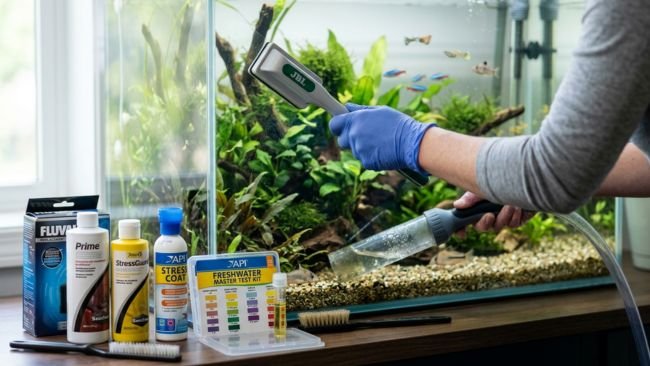
- Nets, Buckets and Siphons: Essential tools for routine cleaning and maintenance.
Many starter kits include some of these items, but they often feature basic versions. As you progress, you might find yourself upgrading to more efficient filters or specialized lighting, further adding to the initial outlay. They are integral to a thriving ecosystem.
The Ongoing Drain: Recurring Consumables and Utilities
Once your tank is set up, the aquarium ongoing costs begin. These are the expenses that chip away at your budget regularly, often unnoticed until you tally them up.
- Fish Feeding Expenses: The most obvious recurring cost is fish feeding expenses. While a small container of fish flakes might seem cheap, larger tanks with more fish consume food quickly. Specialized diets for specific fish (like spirulina for herbivorous fish or frozen bloodworms for carnivorous ones) cost more than generic flakes. Quality food is not just about satiating hunger, it provides essential nutrients for fish health, vibrant colors and strong immune systems, ultimately preventing more expensive health issues. Remember, you are feeding your fish daily, sometimes multiple times a day; this consistent outlay adds up over weeks and months.
- Water Treatments And Testing: You will regularly need aquarium water testing cost allocated. Even if you buy a liquid test kit initially, reagents need replenishment. Water conditioners are used with every water change. If you have a heavily planted tank, you might also invest in liquid fertilizers or CO2 systems. If your tap water has specific issues (e.g., high nitrates), you might need specialized chemical filter media, adding to the regular expense. These small bottles and test tubes might seem inexpensive individually, but they are a consistent part of fish aquarium maintenance cost.
- Filter Media Replacements: Your filter is the workhorse of your aquarium. Most filters use disposable cartridges or media that need regular replacement to function effectively. The cost of fish tank filter replacement can be a recurring surprise. Carbon inserts, filter floss, and specialized chemical media all have a finite lifespan and need periodic changing. Ignoring these replacements will lead to poor water quality, which in turn leads to sick fish and even greater expenses.
- Aquarium Electricity Cost: The electricity bill is a true fish tank hidden expense for many beginners. Your aquarium runs 24/7. Key components contributing to aquarium electricity cost include:
- Heater: Especially in colder climates or for tropical tanks. It cycles on and off to maintain temperature.
- Filter Pump: Runs constantly to circulate and clean water.
- Lighting: While LED lights are efficient, they still consume power, especially if you have a high-intensity setup for demanding live plants.
- Air Pump (Optional): Adds oxygen and surface agitation.
While individual components are not massive power guzzlers, their continuous operation throughout the year results in a noticeable increase in your utility bills. It is a quiet, steady outflow of money that few account for in their initial budgeting.
Health Issues, Emergencies And Upgrades
The most significant unexpected fish tank costs arise from health issues, emergencies and the natural progression of the hobby. These are the aquarium emergency costs that can quickly escalate.
Cost of Fish Vet Care
While less common than for cats or dogs, fish can and do get sick. Specialised cost of fish vet care can be extremely high, if a qualified aquatic veterinarian is even available in your area.
Diagnostic tests, specialized medications, or even simple consultations can be quite expensive. Many minor issues can be treated with over-the-counter medications, but these also contribute to your aquarium ongoing costs if you frequently encounter problems.
Learning about disease treatment cost for fish can be an unwelcome surprise. Often, prevention through excellent water quality and proper care is the most economical approach.

Equipment Breakdowns and Replacements
Aquarium equipment has a lifespan. Heaters can fail, filters can clog or break down and lights burn out. An aquarium equipment breakdown cost can mean an immediate need to replace a critical component, often at full retail price, to prevent harm to your fish.
A sudden heater failure in winter, for example, demands immediate replacement to save tropical fish. This unplanned expenditure is a classic unexpected fish tank cost.
Tank Upgrades and Additions
As your knowledge grows, you might desire more fish, different species, or simply a larger, more elaborate setup. That “small” tank you started with might suddenly feel inadequate for the species you now want to keep. Upgrading means purchasing a new, larger tank, more powerful filters, stronger heaters and additional lighting, essentially re starting a significant portion of your initial investment.
The allure of more complex species or a lush planted tank can also lead to purchases of specialized substrates, CO2 systems, or high-end lighting, adding to your yearly cost of owning an aquarium. These are not strictly emergencies, but they are often unplanned expenses driven by the hobby’s addictive nature.
Mastering Your Budget: Insights for the Beginner
So, is fish keeping expensive? It certainly can be, especially if you are not prepared for the hidden fees pet fish ownership entails. However, with foresight and smart planning, you can manage these costs effectively.
- Do Your Research First: Before buying any fish or tank, thoroughly research the specific needs of the fish you want. This includes their adult size, temperament, and ideal water parameters. This prevents impulse buys that lead to incompatible setups or fish outgrowing their tanks too quickly, leading to unexpected fish tank costs of upgrading.
- Start Appropriately Sized: While small tanks seem cheaper, they are less stable. A 10 or 20-gallon tank is a better starting point for beginner fish tank budget purposes, offering stability without massive expense.
- Invest in Quality Equipment: Cheaper equipment can fail sooner, leading to replacement aquarium emergency costs. A reliable filter or heater, while more expensive initially, can save you money and headaches in the long run.
- Prioritize Water Quality: Consistent water changes, proper filtration, and regular aquarium water testing cost contribute to fish health. Healthy fish means fewer disease treatment cost for fish and a lower cost of fish vet care. Prevention is far cheaper than cure.
- Budget for Consumables: Factor fish feeding expenses and the cost of fish tank filter replacement into your monthly cost of keeping fish. Set aside a small amount regularly for these necessities.
- Create an Emergency Fund: A small reserve for aquarium equipment breakdown cost or sudden medication needs can prevent a crisis from becoming a major financial burden.
- Consider DIY and Used Gear (Carefully): Learning how to save money on fish tank setup can involve DIY solutions for decorations or purchasing used tanks. However, exercise caution with used electrical equipment or tanks with questionable seals.
- Understand Utility Impact: Be aware of your aquarium electricity cost. If energy efficiency is a concern, research energy-efficient heaters and LED lights.
The world of fishkeeping offers immense joy and a tranquil presence in any home. However, ignoring the true cost of fishkeeping can quickly turn that joy into frustration.
From fish tank hidden expenses like recurring aquarium water testing cost and fish feeding expenses to the more significant unexpected fish tank costs like cost of fish vet care and aquarium emergency costs, the financial commitment is continuous.
By understanding the various outlays from the outset, you can plan realistically. Creating a solid beginner fish tank budget that accounts for aquarium ongoing costs and potential surprises will allow you to embrace this hobby fully.
It is a rewarding endeavor that teaches patience, responsibility and provides a living piece of art. With a clear understanding of the financial landscape, you are well equipped to create a thriving aquatic environment, enjoying the beauty of your fish without the stress of unforeseen expenses.
Previous ◀ 🐟 | Choosing The Right Fish Species For Beginners
Next ▶ 🐟 | Common Mistakes New Fish Owners Make