
A vibrant aquarium, filled with quietly gliding and elegant fish, has a naturally captivating charm that draws people in. For many contemplating pet ownership, the idea of keeping fish as pets often arises due to their perceived low maintenance and aesthetic appeal. However, making an informed decision requires a thorough understanding of the pros and cons of keeping aquarium fish.
It is crucial to look beyond the immediate beauty and consider the full spectrum of aquarium fish advantages disadvantages before bringing these aquatic companions into home. This article explores the multifaceted aspects of fishkeeping, helping to clarify whether an aquarium is the right addition to your life.
📚 Also Read ➤ 🐟 | Fish As Pets
The Advantages: Benefits of Keeping Fish in Aquarium
The positive aspects of owning an aquarium extend beyond simple aesthetics, offering unique contributions to a home environment and personal well-being. The benefits of keeping fish in aquarium are often a primary draw for prospective owners.
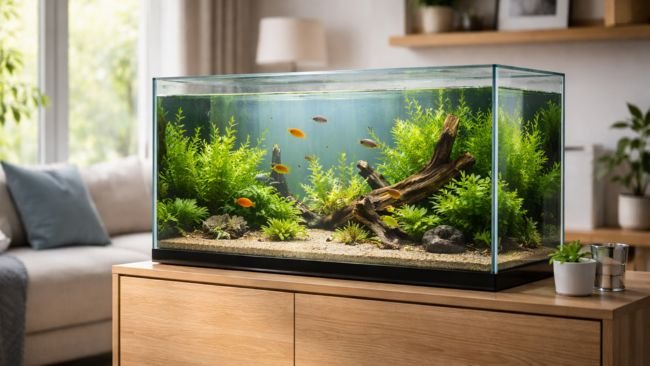
1. A Source of Calm and Stress Relief
- One of the most widely acknowledged aquarium fish care benefits is the profound calming effect observing fish can have. The gentle, rhythmic swimming of fish and the soft bubbling of the filter create a tranquil ambiance.
- Scientific research and anecdotal reports suggest that a fish tank can benefit mental health, helping to reduce stress, lower blood pressure, and alleviate anxiety.
- Presence of an aquarium for relaxation can transform a busy living space into a serene sanctuary, offering a quiet escape from daily pressures. This therapeutic quality makes fish a distinct choice among pets.
2. Educational Value and Engagement
- An aquarium serves as a living classroom, providing rich educational opportunities. Children and adults alike can learn about aquatic ecosystems, water chemistry, the nitrogen cycle and the diverse behaviors of various fish species. It fosters curiosity about biology and environmental science in a direct and engaging way.
- Understanding how different species interact, their dietary needs and their responses to water parameters cultivates observation skills and a deeper appreciation for nature.
- For those seeking to introduce responsibility without overwhelming commitments, fish offer a controlled environment for learning.
3. Aesthetic Appeal and Quiet Companionship
- Aquariums are dynamic pieces of living art that can enhance any room. The vibrant colors of tropical fish, combined with carefully arranged plants and decorations create a captivating focal point.
- Unlike many other pets, fish are quiet, they do not bark, meow or require outdoor walks, making them quiet pets for apartments or homes where noise is a concern.
- For individuals seeking companionship that is unobtrusive yet visually engaging, the silent beauty of an aquarium can be immensely rewarding. This makes them an attractive choice for those with limited space or a preference for a more serene pet presence.
The Disadvantages: Disadvantages of Pet Fish
While the allure of fishkeeping is strong, it is equally important to acknowledge the disadvantages of pet fish and the aquarium fish care challenges that come with ownership. Many of these aspects are often overlooked by beginners.
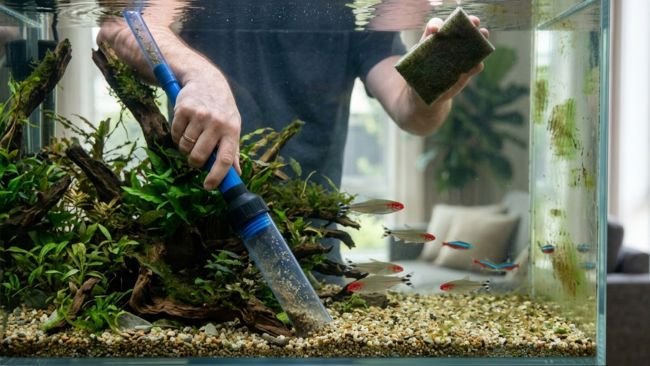
1. The True Cost of Ownership
- The initial purchase of a tank and a few fish can seem modest, but the cost of owning fish tank extends far beyond this. There are recurring expenses for quality fish food, water conditioners, test kits, filter media replacements and potentially medications.
- Electricity consumption for heaters, filters, and lights contributes to the aquarium ongoing costs. Furthermore, unexpected issues like aquarium equipment failure can necessitate immediate and unplanned purchases.
- While fish themselves may be inexpensive, creating and maintaining a healthy aquatic environment requires a consistent financial commitment that can be a significant surprise.
2. Time Commitment and Maintenance Demands
- Despite the common misconception of fish being “low maintenance,” a healthy aquarium demands regular attention. Aquarium fish care challenges include consistent water changes, which are crucial for maintaining water quality and preventing the buildup of toxins.
- Filters need periodic cleaning or media replacement. Algae must be controlled. Monitoring water parameters with test kits is an ongoing task to ensure the environment remains stable for the fish.
- Overfeeding can lead to fish tank odor problems and poor water quality, necessitating immediate action. These tasks, while not physically strenuous, require a consistent time commitment for fish tank upkeep that can be several hours per week for a well-maintained system.
3. Vulnerability to Disease and Unexpected Issues
- Fish, like any living creature are susceptible to illness. Common fish diseases include Ich, fin rot, and bacterial infections, often requiring specific medications and potentially isolation in a separate tank.
- A sudden illness or unexplained death can be disheartening, especially for children. Identifying the problem quickly and administering the correct treatment is a learning curve, and mistakes can lead to further loss.
- Additionally, issues like sudden power outages or heater malfunctions can quickly become aquarium emergency costs, endangering the entire tank and its inhabitants. These unforeseen challenges require vigilance and readiness to act, adding to the inherent disadvantages of pet fish.
4. Limited Interaction and Social Connection
- For individuals seeking an interactive pet that offers cuddles or direct play, fish are not the ideal choice. The level of social connection with fish is limited.
- Some fish recognize their owners or respond to feeding times, they do not offer the same reciprocal affection as a dog or cat.
- Lack of direct interaction can be a disadvantage of pet fish for those desiring a more traditional companion animal experience.
📚 Also Read ➤ 🐟 | Are Fish Good Pets For Kids?
Is Fishkeeping Worth It? A Balanced Perspective
After considering the pros and cons of fish tank ownership, the ultimate question remains: is fishkeeping worth it? The answer depends entirely on individual expectations, dedication and resources.
For those who appreciate quiet companionship, the calming influence of an aquatic environment, and the opportunity for hands on learning, the benefits of keeping fish in aquarium can far outweigh the challenges. The beauty and tranquillity an aquarium brings to a space are unparalleled, offering a unique form of pet ownership.
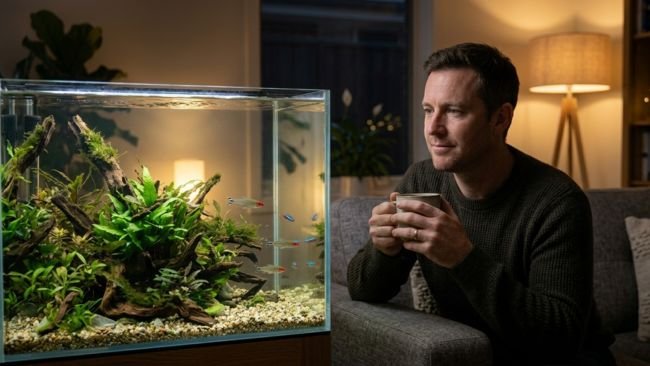
However, if one is seeking a truly “set it and forget it” pet or if the budget and time for consistent maintenance are severely limited, then the aquarium fish care challenges and disadvantages of pet fish might prove overwhelming. It is important to avoid the misconception of fish as simply decorative elements that require no real effort.
Before deciding to get an aquarium, aspiring owners should:
- Research Thoroughly: Understand the specific needs of the fish species being considered, including their mature size, diet and water parameter requirements.
- Budget Realistically: Account for not just the initial setup, but also aquarium ongoing costs like food, water treatments, filter media and a contingency for unexpected issues.
- Commit to Learning: Be prepared to learn about water chemistry, filtration and fish health. Knowledge is the best tool for preventing common problems.
- Assess Time Availability: Honestly evaluate the time available for regular cleaning, water changes and observation.
The decision to embark on the journey of fishkeeping should be well-informed. The aquarium pet pros cons present a clear picture: a rewarding hobby for the prepared and dedicated, but a potentially frustrating one for the unprepared.
When approached with realistic expectations and a commitment to providing a healthy environment, keeping aquarium fish can indeed be a deeply satisfying and beautiful experience.
Previous ◀ 🐟 | Are Fish Good Pets for Kids
Next ▶ 🐟 | Freshwater vs Saltwater Fish