
Home ➤ Dogs ➤ Common Dog Health Issues And When To See A Vet
Dogs have an incredible ability to hide discomfort. A playful Labrador with an upset stomach may still wag its tail enthusiastically, while a senior Beagle struggling with joint pain may quietly avoid stairs instead of showing obvious distress. Many health issues in dogs go unnoticed until they become more serious.
It is hardest for the owners not spotting symptoms. Professional attention is needed to figure out whether those symptoms are minor, temporary problems or warning signs. For a dog vomiting once after eating grass may not be alarming, where as repeated vomiting combined with lethargy can quickly become an emergency. Knowing the difference matters.
This article deep dives into the most common dog health issues, the symptoms owners should never ignore and the situations where monitoring at home is reasonable versus when immediate veterinary care becomes necessary. Whether you are a first time dog owner or someone who has shared life with dogs for years, understanding these warning signs can help you respond earlier, reduce unnecessary panic and support your dog’s long term health.
Healthy dog is a result of consistent observation, preventive care and owners paying attention to the small behavioral changes that many people overlook.

Why Early Detection Of Health Problems In Dogs Matters
Dogs cannot verbally explain discomfort, which makes early detection one of the most crucial responsibilities of a pet owner. Dogs carry survival trait inherited from their wild ancestors to hide pain and weakness. This leads to health problems showing up through subtle physical or behavioral changes long before they become severe. Early detection gives owners a better chance to treat problems quickly, reduce suffering and avoid expensive emergency care later.
Initial signs include decrease in enthusiasm during walks, a moment of hesitation before jumping onto the couch or an extra hour of sleep each day. These behavioral shifts represent the earliest detectable signs of developing health problems, from joint degeneration to organ dysfunction to early stage cancer.
Catching a condition early versus late can be measured in both years of life and quality of that life. For example, urinary tract infection addressed promptly resolves with a simple course of antibiotics, where as same infection if untreated might spread to kidneys, cause permanent damage or become life threatening.
Similarly, early dental disease needs professional cleaning and improved home care, whereas advanced periodontal disease leads to tooth loss, chronic pain and bacterial spread to the heart, liver and kidneys.
Paying attention is the common thread to early detection and prevention. Your dog’s normal baseline constitutes – their typical energy levels, eating habits, bathroom routines, sleep patterns and temperament. Something deviating from that baseline is an alarm. As an owner, you know your dog better than anyone, including your veterinarian. Something being off, deserves investigation and not ignorance.
Following a healthy daily dog care routine makes it easier to notice subtle changes in appetite, energy levels and behavior before they turn into serious health problems.
Common Signs Your Dog May Be Unwell
Deviations from normal behavior in dogs, call for recognizing illness in early stages. While not every symptom indicates a medical emergency, certain signs should never be ignored.
Lethargy:
One of the most reliable indicators that something is not right. Dog who normally greeting you at the door, now barely lifts their head or one who used to play enthusiastically but now shows little interest, these shifts need immediate attention. Lethargy can signal anything from a mild infection to serious organ disease, making it a symptom that deserves investigation rather than dismissal.
A dog that suddenly loses interest in walks, play or interaction may be dealing with:
- Pain
- Infection
- Fever
- Heart disease
- Digestive illness
- Internal injury

Appetite:
Changes in appetite is another critical window into your dog’s health. Complete refusal to eat for more than 24 hours in an adult dog (or 12 hours in a puppy) represents a red flag. Equally concerning, sudden ravenous hunger, especially when accompanied by weight loss, which can indicate diabetes, thyroid problems or parasites. Loss of appetite can be linked to:
- Digestive upset
- Dental pain
- Infections
- Fever
- Stress or anxiety
- Organ disease
If appetite loss is combined with vomiting, diarrhea or lethargy, a veterinary visit becomes more important. Maintaining a healthy dog feeding routine also helps owners identify appetite changes early, which is often one of the first warning signs of illness in dogs.
Vomiting And Diarrhea:
These occur occasionally in healthy dogs, an upset stomach from eating something disagreeable resolves quickly. However, repeated episodes with blood in vomit or stool, accompanying lethargy or symptoms lasting beyond 24 hours demand veterinary attention. Puppies and senior dogs reach the concerning threshold faster than healthy adult dogs. Repeated vomiting or persistent diarrhea may indicate:\
- Food intolerance
- Parasites
- Gastrointestinal infections
- Pancreatitis
- Intestinal obstruction
Signs that require urgent veterinary care include:
- Blood in vomit or stool
- Severe lethargy
- Bloated abdomen
- Continuous vomiting
- Inability to hold down water
- Pale gums
Limping:
Reluctance to move might stem from something as simple as a thorn in a paw pad or as serious as a torn ligament or bone cancer. Watch for limping that persists beyond a day, worsens rather than improves or accompanies swelling.
Persistent Itching:
Dog which cannot stop scratching, biting at their skin or rubbing against furniture, signals skin problems ranging from allergies to parasites to infections. Red, inflamed skin, hair loss or hot spots often accompany significant itching. Common causes include:
- Fleas
- Food allergies
- Environmental allergies
- Dry skin
- Hot spots
Breathing Changes:
Rapid breathing at rest, labored breathing, persistent coughing or any sign of respiratory distress can indicate heart problems, lung disease, allergic reactions or obstruction.
Unusual Behavior:
Aggression in a normally gentle dog, hiding, excessive clinginess, confusion, pacing or any marked personality change can indicate pain, neurological issues or cognitive decline. Some dogs develop reactions to specific ingredients, particularly certain proteins, dairy products or grains. Symptoms may include:
- Loose stools
- Gas
- Vomiting
- Chronic itching
- Ear infections
Food sensitivities can sometimes take time to identify because symptoms may appear gradually rather than immediately after meals.
Excessive Thirst And Urination:
This often points to kidney disease, diabetes or hormonal disorders. If you a re filling the water bowl more frequently or your house trained dog starts having accidents, pay attention. Sudden increases in thirst or urination may indicate:
- Diabetes
- Kidney disease
- Urinary tract infections
- Hormonal disorders
Bad Breath:
Beyond normal doggy breath, particularly breath that smells rotten, fishy or unusually sweet can indicate dental disease, kidney problems or diabetes.
Unexplained Weight Loss:
Despite normal eating patterns warrants investigation for parasites, digestive problems, organ disease or cancer.
Digestive Problems In Dogs
Digestive issues are among the most common reasons owners contact veterinarians. Some cases are mild and temporary, while others require immediate medical intervention. Understanding which situations resolve on their own versus which demand medical intervention can save you both unnecessary panic and dangerous delays.
Vomiting happens to most dogs occasionally. A single episode of vomiting in an otherwise alert, active dog who then acts normally likely represents nothing serious perhaps they ate too fast, consumed something mildly disagreeable or experienced momentary nausea. However, vomiting becomes concerning when it occurs repeatedly within a few hours, contains blood (bright red or coffee ground appearance), accompanies lethargy or abdominal pain or continues beyond 24 hours. Projectile vomiting, unproductive retching or vomiting combined with a distended abdomen constitutes an emergency.
Diarrhea follows similar logic. One loose stool in an otherwise healthy dog rarely signals trouble. Diarrhea becomes problematic when it persists beyond 48 hours, contains blood or mucus, accompanies vomiting or lethargy or occurs in a puppy, senior dog or immunocompromised animal. Severe diarrhea causes dehydration rapidly, particularly in small dogs.
Constipation straining to defecate without producing stool, or producing only small, hard stools often results from dehydration, insufficient fiber, lack of exercise or certain medications. Constipation persisting beyond 48 hours, especially with signs of distress or accompanied by vomiting, needs veterinary evaluation. Intestinal obstruction can present similarly to constipation but represents a life threatening emergency.
Bloating in dogs, particularly deep chested breeds like Great Danes, German Shepherds and Standard Poodles can signal gastric dilatation volvulus (GDV), a true emergency where the stomach fills with gas and twists on itself. Signs include a distended, hard abdomen, unproductive retching, restlessness and rapid decline. GDV kills dogs within hours without surgical intervention.
Eating grass triggers worry in many owners, but it is actually normal canine behavior. Some dogs simply like the taste or texture. Others may eat grass when experiencing mild nausea. Occasional grass eating followed by normal behavior requires no concern. Frantic grass consumption followed by repeated vomiting warrants monitoring.
Food intolerance and sensitivities present as chronic or recurring digestive upset soft stools, flatulence, vomiting or diarrhea that seems linked to meals. Unlike true food allergies (which typically manifest as skin problems), intolerances affect digestion. Identifying trigger ingredients often requires an elimination diet under veterinary guidance.
Skin And Coat Problems In Dogs
Skin issues are extremely common in dogs and can significantly affect comfort and quality of life. They account for a significant percentage of veterinary visits. They are visible, bother dogs intensely and often indicate underlying problems requiring treatment.

Itching that goes beyond occasional scratching becomes a quality of life issue for dogs. Persistent scratching, chewing at paws, rubbing faces on carpet, or biting at flanks can create secondary infections and significant distress. Common culprits include environmental allergies (pollen, dust mites, mold), food allergies, contact allergies (reactions to cleaning products, certain fabrics or lawn chemicals) and parasites.
Hot spots those angry, red, moist and painful patches that seem to appear overnight develop when a dog obsessively licks, chews or scratches a particular area. The resulting raw, oozing lesion can spread rapidly. Hot spots require prompt treatment to break the itch scratch cycle and address any underlying infection.
Allergies in dogs present differently than in humans. While humans typically experience respiratory symptoms, allergic dogs usually develop skin manifestations – itching (especially paws, ears, groin and armpits), recurring ear infections and chronic skin irritation. Seasonal patterns suggest environmental allergies, year round symptoms may indicate food allergies or multiple triggers.
Dandruff and dry flaky skin can result from nutritional deficiencies, dry environments, over bathing, harsh shampoos or underlying skin conditions. Mild cases often respond to dietary adjustments (adding omega fatty acids) and appropriate grooming products. Persistent or severe dandruff warrants investigation for conditions like seborrhea or hormonal imbalances.
Hair loss beyond normal shedding particularly in patterns or patches suggests underlying problems. Symmetrical hair loss often indicates hormonal issues like hypothyroidism or Cushing’s disease. Patchy loss might signal ringworm (a fungal infection), bacterial infection or mange. Hair loss accompanied by skin changes always deserves veterinary evaluation.
Fleas and ticks cause more than just itching. Flea infestations lead to flea allergy dermatitis in sensitive dogs, cause anemia in severe cases or small dogs and transmit tapeworms. Ticks transmit serious diseases including Lyme disease, ehrlichiosis and Rocky Mountain spotted fever. Regular preventive treatment proves far easier than treating infestations or tick borne illness.
Ear scratching often indicates ear problems rather than skin issues, but owners frequently notice their dog scratching at ears alongside skin symptoms. Red, odorous or discharge filled ears need attention.
Regular dog grooming basics at home such as brushing, ear cleaning and coat checks can help detect skin infections, parasites and unusual lumps much earlier.
Ear And Eye Infections In Dogs
Ear and eye problems often worsen rapidly when left untreated or when go unnoticed or underestimated by owners, particularly those new to dog ownership. Both organ systems can deteriorate quickly when infections take hold, making early recognition crucial.
Ear infections rank among the most common reasons dogs visit veterinarians. Warning signs include head shaking (occasional shaking is normal, persistent or violent shaking indicates discomfort), pawing at ears, redness visible inside the ear canal, brown or yellow discharge, odor ranging from yeasty to foul, pain when ears are touched and tilting the head to one side.
Floppy eared breeds like Cocker Spaniels, Basset Hounds and Labrador Retrievers face higher ear infection risk because reduced airflow creates warm, moist environments where yeast and bacteria thrive. Dogs who swim frequently or have allergies also develop ear infections more commonly.
Untreated ear infections do not simply resolve, they worsen. Outer ear infections can progress to middle or inner ear infections, causing permanent hearing loss, balance problems and chronic pain. What starts as a simple infection treatable with topical medication can become a surgical problem if neglected.
Eye problems require particular vigilance because vision loss can occur rapidly with certain conditions. Watch for squinting or holding one eye closed, excessive tearing or unusual discharge (clear discharge may indicate irritation, yellow or green discharge suggests infection), redness in the white of the eye or around the eye, cloudiness or change in eye color, visible third eyelid (a membrane in the inner corner not normally prominent), rubbing at eyes or face and swelling around the eye.
Some eye emergencies demand immediate attention – sudden onset of eye cloudiness could indicate glaucoma (which can cause irreversible blindness within hours), eye injuries or foreign objects require prompt treatment to prevent permanent damage and sudden vision loss from any cause needs emergency evaluation.
Dental Problems In Dogs
Dental disease affects the vast majority of dogs by age three, yet it remains one of the most overlooked aspects of canine health. Many owners assume bad breath is simply part of having a dog or that dental problems only affect older animals. Both assumptions are false and potentially costly to your dog’s health.
Bad breath serves as the most obvious and most commonly dismissed sign of dental disease. While dogs do not have minty fresh breath naturally, there is a significant difference between normal dog breath and the smell of rotting teeth or infected gums. Breath that smells rotten, unusually sweet (which can also indicate diabetes) or fishy (potentially kidney disease) warrants investigation.
Tartar buildup appears as yellow or brown deposits on teeth, typically starting at the gum line and spreading. Tartar harbors bacteria that inflame gums, eventually leading to gum recession, bone loss, and tooth loss. Once tartar hardens onto teeth, brushing cannot remove it and professional cleaning under anesthesia becomes necessary.
Swollen, red or bleeding gums indicate gingivitis (inflammation) or periodontal disease (infection of the structures supporting teeth). Healthy gums appear pink and firm; diseased gums look red, may bleed easily and often recede to expose tooth roots.
Difficulty eating, dropping food or chewing on one side suggests oral pain. Dogs do not stop eating even with significant dental pain, their survival instincts override discomfort, but they may change how they eat. Favoring one side, carefully picking up food or suddenly preferring soft food over kibble can indicate tooth pain.
Excessive drooling, especially with blood tinged saliva, can accompany dental problems. While some breeds drool normally, a change in drooling habits deserves attention.
The consequences of untreated dental disease extend far beyond the mouth. Bacteria from infected gums enter the bloodstream and can colonize the heart, liver and kidneys. Studies have linked periodontal disease to heart valve infections, kidney diseas and liver damage in dogs. Treating dental disease is vital organ protection.
Joint And Mobility Issues In Dogs
Mobility issues become increasingly common as dogs age, especially in large breeds, senior dogs and overweight animals. Recognizing early signs allows for interventions that significantly improve quality of life.
Limping provides the most obvious signal that something is wrong, but it is not always present. Some dogs with joint problems do not limp obviously, they simply move less, rise more slowly or avoid activities they previously enjoyed.
Stiffness particularly after resting or first thing in the morning, typifies joint problems. A dog who struggles to stand after sleeping, takes a few minutes to warm up before moving normally, or walks with a stiff gait may be experiencing joint pain. This stiffness often improves with gentle movement as joints loosen up.
Reluctance to jump, climb stairs or enter vehicles signals joint discomfort even when a dog does not limp. A dog who used to bound onto the couch but now hesitates or one who balks at stairs they previously climbed easily, is communicating that these movements hurt.
Changes in posture, standing with weight shifted, hunching the back or holding the head differently can indicate pain. Dogs compensate for joint problems by redistributing weight, which sometimes leads to problems in other areas as they overload compensating joints.
Arthritis affects dogs similarly to humans – Joint cartilage deteriorates, bones rub together, inflammation develops and movement becomes painful. While arthritis cannot be reversed, it can be managed through weight management (reducing joint load), appropriate exercise (maintaining mobility without overexertion), anti inflammatory medications (prescribed by veterinarians), joint supplements (glucosamine, chondroitin, omega fatty acids), physical therapy and swimming and environmental modifications (ramps, orthopedic beds, non slip flooring).
Early intervention matters enormously with joint problems. A dog started on joint support supplements, weight management and appropriate exercise at the first signs of stiffness often maintains mobility far longer than one whose treatment begins only after significant damage has occurred.
Understanding how much exercise does a dog need daily can help reduce obesity related joint strain, stiffness and long term mobility issues.
Parasites And Preventive Care In Dogs
Parasites remain a persistent threat to dogs regardless of lifestyle, though risk profiles vary based on geographic location, lifestyle, and preventive measures. Understanding these threats enables effective protection. Preventive healthcare is often easier and less expensive than treating advanced illness.
Fleas cause misery disproportionate to their size. Beyond intense itching, fleas trigger allergic reactions in sensitive dogs (flea allergy dermatitis causes severe skin inflammation from just a few bites), transmit tapeworms, and can cause anemia in puppies or heavily infested dogs. Fleas reproduce rapidly a few fleas become an infestation within weeks making prevention far easier than elimination.
Ticks pose serious disease risks depending on your region. Lyme disease, ehrlichiosis, anaplasmosis, and Rocky Mountain spotted fever all transmit through tick bites. Symptoms of tick-borne diseases often appear weeks after exposure and can be difficult to diagnose without proper testing. Check your dog for ticks after outdoor activities, particularly in wooded or grassy areas.
Intestinal worms, roundworms, hookworms, whipworms, and tapeworms infect dogs through contaminated soil, infected prey animals, fleas (for tapeworms), or transmission from mother to puppies. Many infected dogs show no symptoms initially, but heavy worm burdens cause digestive upset, weight loss, poor coat quality, and in puppies, potentially serious complications. Regular fecal examinations and preventive deworming protect against these parasites.
Heartworm disease, transmitted by mosquitoes, poses the most serious parasitic threat in many regions. Adult heartworms live in the heart and pulmonary arteries, causing progressive damage that can prove fatal. Treatment for established heartworm infection is expensive, risky and hard on dogs. Monthly preventive medication is simple, safe, and effective there is no good reason to skip it in areas where heartworm exists.
Vaccinations protect against serious, often fatal diseases. Core vaccines (rabies, distemper, parvovirus, adenovirus) are recommended for all dogs. Non core vaccines (leptospirosis, Lyme disease, Bordetella, canine influenza) depend on regional risks and lifestyle factors. Your veterinarian can recommend an appropriate vaccination schedule based on your dog’s specific situation.
Preventive healthcare becomes much easier when owners already have essential dog supplies for new owners such as flea prevention products, grooming tools and proper feeding equipment.
Emergency Warning Signs That Need Immediate Vet Attention In Dogs
Certain symptoms demand emergency veterinary care and but immediate professional attention. Knowing these signs could save your dog’s life.
Difficulty in breathing constitutes a true emergency. Labored breathing, gasping, breathing with mouth open while at rest (especially in dogs that don’t normally pant), blue tinged gums or tongue, or any sense that your dog is struggling to get air requires immediate veterinary intervention. Causes range from allergic reactions to heart failure to obstruction.
Seizures lasting more than a few minutes, occurring in clusters, or happening for the first time require emergency evaluation. Stay calm, keep your hands away from your dog’s mouth (they will not swallow their tongue) and time the seizure. Remove nearby objects that could cause injury.
Collapse or sudden weakness indicates a potentially critical situation. A dog who cannot stand, suddenly loses coordination or loses consciousness needs immediate assessment.
Bloated, hard abdomen, especially in deep chested breeds and especially if accompanied by unproductive retching, pacing or distress, suggests gastric dilatation-volvulus (GDV). This condition kills dogs within hours without emergency surgery.
Known or suspected poisoning demands immediate action. Common canine toxins include chocolate, xylitol (artificial sweetener), grapes and raisins, certain plants (lilies, sago palm, oleander), rodent poison, antifreeze, and many human medications. If you know or suspect your dog has consumed something toxic, contact your veterinarian or a poison control hotline immediately.
Inability to urinate or straining without producing urine can indicate urinary obstruction, particularly in male dogs. Complete obstruction is life threatening and constitutes an emergency.
Pale, white or blue gums indicate poor circulation or oxygenation and represent a critical finding requiring immediate attention.
Severe bleeding that does not stop with direct pressure or any significant bleeding from body openings, needs emergency care.
Severe trauma being hit by a car, falling from height or any significant impact requires evaluation even if the dog seems okay. Internal injuries may not be immediately apparent.
Eye injuries involving penetration, chemicals or sudden changes in eye appearance need immediate attention to prevent permanent vision loss.
When Home Monitoring Is Okay Vs When To Call A Vet For Dogs
The guidelines below help dog owners between home monitoring and calling vet the same day.
Home monitoring is generally appropriate when:
- Vomiting or diarrhea consists of a single episode in an otherwise alert active dog
- Appetite decreases slightly for less than 24 hours in a healthy adult dog
- Limping appears mild, improves rather than worsens and the dog still bears weight on the leg
- Itching is mild to moderate without open sores, hair loss or signs of infection
- Energy seems slightly lower than normal but the dog remains responsive and interested in activities
- A single bout of reverse sneezing, gagging or odd noise resolves quickly
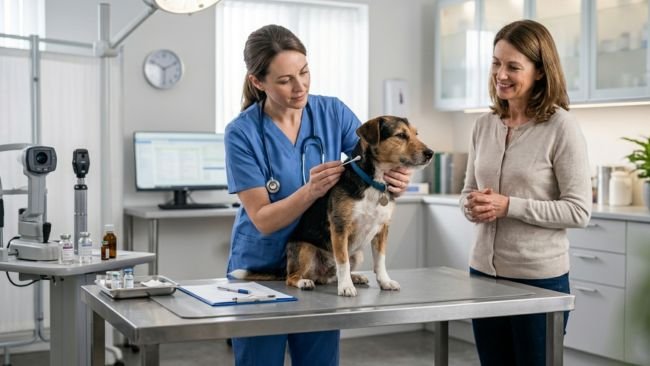
Call your vet for same day or next day appointment when:
- Vomiting or diarrhea persists beyond 24 hours
- Appetite loss continues beyond 24 hours
- Limping does not improve within 48 hours or affects weight bearing
- Itching becomes persistent or causes skin damage
- Lethargy is noticeable but the dog still eats, drinks and moves around
- Coughing, sneezing, or eye discharge develops
- Lumps or bumps appear that were absent before
- Behavior changes without obvious cause
Seek emergency care when:
- Any symptom from the emergency section above appears
- Your gut tells you something is seriously wrong
- The dog is clearly in distress, unresponsive or deteriorating
- Multiple concerning symptoms appear simultaneously
- A puppy or senior dog develops significant symptoms
Understanding common dog health issues and recognizing early warning signs can help owners respond faster and prevent small problems from becoming serious emergencies.
Consistent observation, preventive care and timely veterinary attention all play an important role in keeping dogs healthy, comfortable and active throughout their lives.
Dogs rely heavily on humans to notice when something feels wrong. Paying attention to changes in behavior, appetite, energy levels and physical condition can make a significant difference in their long term wellbeing.
By Pettopedia Editorial Team
Pet Care Research & Content Team
Pettopedia Editorial Team is dedicated to helping pet parents make informed and confident decisions for their pet companions. Our articles are created through in depth research, practical insights with a strong understanding of animal behavior, nutrition and everyday pet health needs. Each piece is written to provide clear, reliable and actionable guidance that pet parents can trust.
Every Pettopedia article is carefully reviewed and updated to ensure accuracy, relevance and alignment with current pet care best practices. By combining a structured, long term content roadmap with a commitment to authenticity, Pettopedia aims to be the definitive digital encyclopedia for the modern pet parent. We aim to deliver content that is not only informative but also genuinely helpful in real life situations, which will help you and your pets thrive.