
Home ➤ Dogs ➤ 10 Responsibilities Every First Time Dog Owner Must Know
Bringing a dog into your home is one of the most rewarding decisions a person can make. They offer unmatchable warmth loyalty and companionship. But first time dog owners underestimate full scope of what responsible dog ownership actually demands.
Dog ownership just not being able to provide food and a warm place to sleep for your pet. It requires a long-term term commitment that touches nearly every part of your daily life. As per American Pet Products Association, pet ownership has risen steadily over the past two decades, where dogs remain the most popular companion animal. Still animal shelters continue to receive millions of dogs each year, most of surrendered by owners who were not prepared for what dog care responsibilities truly involved.
Understanding the responsibilities of owning a dog, before adoption and not after is the single most important step you can take. Dog ownership responsibilities span far more than most people anticipate and this guide addresses every one of them.
This proper dog care guide has been put together by the Pettopedia team to walk you through the ten most essential dog owner duties and responsibilities every first time owner must understand. Whether you are still deciding or have already welcomed a dog home, these tips for first time dog owners responsibility and all the guidance that follows serve as a foundation of your new journey as pet parent.
If you are still uncertain whether this commitment fits your current life, please evaluate your readiness in detail by going through how to choose dog based on my lifestyle before making a final decision.
1. Time Commitment in Dog Ownership – Daily Walks, Exercise, Feeding And Attention
Ask yourself honestly – how much time does a dog require daily? and does your current schedule genuinely provide it? Dogs are social animals that need consistent daily interaction. Unlike a houseplant or even a cat, a dog is dependent on you for exercise, stimulation and emotional connection – every single day without exception.
A dog needs two to three walks per day, feeding at regular intervals, playtime, grooming and periods of calm companionship. For high energy breeds such as Border Collies, Siberian Huskies or Labrador Retrievers, that time investment increases considerably. Even lower energy breeds require a minimum of 30 to 60 minutes of physical activity daily.

Dogs do not adapt well to irregular schedules. Feeding at the same time each day, walking at predictable intervals and maintaining a structured bedtime routine are all important to your dog’s physical health and emotional well being. A daily routine for responsible dog owner should be predictable and be centered around the dog’s needs.
If your work schedule is unpredictable or involves frequent travel, arrangements must be made, whether through a trusted pet sitter, a dog walker or doggy day care. This ensures your dog is never left without care or companionship for extended periods.
The daily time commitment required for responsible dog ownership is often underestimated by first time owners. Hence, honestly assess your available time before bringing a dog home.
2. Real Cost of Dog Ownership – Food, Veterinary Care, Grooming and Emergency Expenses
Financial readiness is a critical and often overlooked dimension of responsible dog ownership. The initial cost of acquiring a dog, whether through adoption or purchase is only the beginning. Over the course of a dog’s life, the financial investment is substantial and learning how to manage dog care responsibilities includes managing these costs with foresight.
Routine expenses include high quality dog food, grooming appointments (especially for long coated or fast growing breeds), flea and tick prevention, annual vaccinations and regular veterinary checkups. These costs alone can amount to anywhere between $1,000 and $3,000 per year depending on the size and breed of your dog.
Emergency veterinary care is often where unprepared dog owners face serious financial and emotional challenges. A single emergency procedure like surgery following an accidental ingestion, a fracture or a sudden illness costs several thousand dollars. Pet insurance is a strongly recommended consideration for first time dog owners. While monthly premiums vary, a good policy can significantly reduce the financial impact of unexpected medical emergencies.
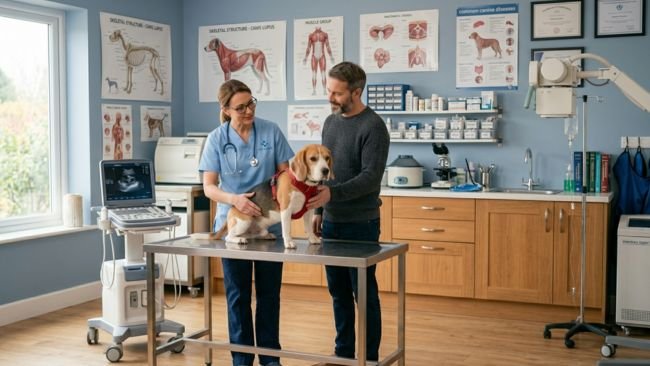
Additional costs include boarding or pet sitting fees during travel, training classes, dog accessories and licensing fees required by local authorities. Before adopting, a realistic monthly budget should be drawn up that accounts for both routine and unexpected dog care expenses. This is a dog ownership responsibility that cannot be neglected once a dog is already in your home.
3. Hidden Responsibilities Most First Time Dog Owners Do Not Expect
Beyond the well known responsibilities of feeding, walking and veterinary care, there are several less discussed dog owner duties and responsibilities that tend to surprise first time owners once a dog has settled into the home. What makes a responsible dog owner is not merely completing the obvious tasks, but also anticipating and managing the ones no one talks about.
Dog Proofing Home:
Dog proofing your living space is an essential first step in understanding how to properly care for a dog at home, starting with safety. Electrical cords, household cleaning products, certain common foods (such as grapes, onions and chocolate), small objects that could be swallowed and even certain houseplants pose genuine risks to dogs. A thorough audit of your home from your dog’s perspective is necessary before bringing them inside.
Travel With Dogs:
Travel becomes more complicated when a dog is part of your family. Many hotels, rental properties and public spaces do not permit dogs. This leads to travel plans being adapted or alternative care must be arranged whenever you are away.
Noise & Neighbors:
Noise is another consideration that is rarely discussed. Dogs bark. Puppies cry at night during the adjustment period. Neighbours and landlords may have concerns that need to be proactively managed. If you are renting your home, your lease agreement should be reviewed for any pet related restrictions before adoption.
Emotional Commitment:
The emotional labour of dog ownership – patience during training setbacks, distress when your dog is unwell and the grief that eventually accompanies during end of pet life, should not be underestimated. These are real and sustained responsibilities that extend far beyond the practical.
4. Dog Training and Socialisation – Why Early Efforts Strongly Influence Behaviour
A well trained, well socialised dog is not simply more pleasant to live with, but is a safer, healthier and happier animal. Among the responsibilities of owning a dog, training and socialisation are the ones most likely to determine your dog’s long term temperament and behaviour. They are most effective when started early and their absence is most damaging when ignored in those early months.
Basic obedience training like teaching your dog to sit, stay, come when called, walk calmly on a lead and respond to their name – all form the foundation of a manageable and safe dog. These commands are not merely impressive tricks, but safety tools. A dog that comes reliably when called, for instance, can be recalled away from traffic, other animals or dangerous situations.
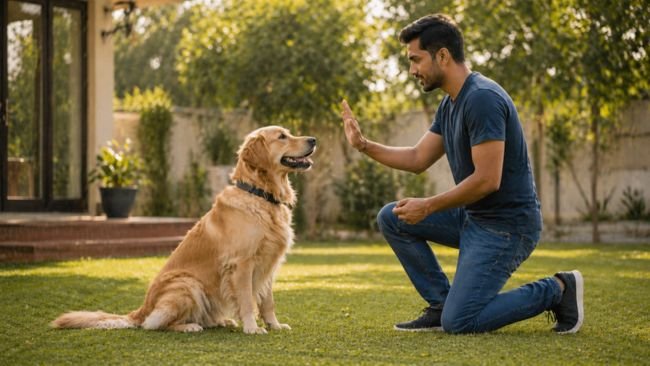
Socialisation refers to the process of exposing your dog to a variety of people, animals, environments, sounds and situations during their formative weeks and months. Dogs that are properly socialised are less likely to develop fear based aggression, excessive barking, anxiety or other behavioural problems in adulthood.
Positive reinforcement like rewarding desired behaviour with treats, praise, or play is the most effective and humane approach to training. Punishment based methods are not recommended, as they are associated with increased anxiety, reduced trust and a higher incidence of aggression. If training proves challenging, the guidance of a certified professional dog trainer should be sought without delay.
If you want a structured starting point, learning dog training basics and essential commands can make early training far more manageable and effective.
5. Dog Emotional Needs – Bonding, Attention and Separation Anxiety Explained
Dogs being deeply social creatures, in the wild, they live and function within pack structures and in domestic settings, you and your household become their pack. The emotional needs of a dog are real, significant and require consistent attention to be properly met. This is one of the responsibilities of owning a dog that is rarely listed in beginner guides, yet it has significant long term consequences.
Separation anxiety is one of the most common behavioural challenges faced by dog owners and it is often a direct result of insufficient bonding time, inconsistent routines or dogs that have been left alone for long periods on a regular basis. Signs of separation anxiety include excessive barking or howling when alone, destructive chewing, house soiling and attempts to escape.
Building a secure bond with your dog requires daily quality time, not merely coexistence in the same space, but genuine interaction. Play sessions, calm grooming, training exercises and quiet companionship all contribute to a dog’s sense of security and emotional wellbeing.
Dog’s emotional needs cannot be met through material provisions alone. A dog with the most expensive food and the largest garden will still suffer if deprived of meaningful human connection. Time, attention and consistent presence are what dogs need most. Providing these is a core part of how to be a good dog owner in the truest sense.
When emotional needs are not met consistently, it often leads to issues such as those explained in common dog behavior problems, including anxiety and destructive habits.
6. Lifestyle Changes After Getting A Dog – Routine, Freedom and Adjustments
Responsible dog ownership requires a genuine willingness to adjust your lifestyle. Things responsible dog owners do every day are not extraordinary acts, they are small, consistent adjustments that collectively transform how a day is structured.
Spontaneous plans – late evenings out, weekend getaways or extended work trips become more complicated when a dog is waiting at home. Dogs thrive on routine and disruptions to that routine can cause stress and behavioural regression. Your schedule will be shaped by your dog’s needs.
Social gatherings at your home may also need to be managed differently, particularly if your dog is not yet fully socialised or is reactive around unfamiliar people. Public spaces such as restaurants, certain parks and shopping centres may be inaccessible with a dog, depending on your local regulations.
These adjustments tend to bring structure and purpose to daily life. Many dog owners report that the routines imposed by dog care like morning walks, regular mealtimes and consistent bedtimes have a positive effect on their own wellbeing. The lifestyle changes involved in dog ownership are real, but not necessarily burdens, they are simply part of the commitment.
For a clearer perspective on these trade-offs, it is helpful to review the pros and cons of owning a dog before committing.
7. Common Mistakes First Time Dog Owners Must Avoid
Impulse Adoption:
Dogs adopted based on appearance or emotional impulse, without research into the breed’s needs, energy level or compatibility with your lifestyle are at significantly higher risk of being rehomed or surrendered.
Inconsistent Training:
Dogs learn through repetition and consistency. Mixed signals, irregular enforcement of rules or multiple household members applying different expectations can create confusion and reinforce unwanted behaviour.
Overfeeding:
This common expression of affection carries genuine health risks. Obesity in dogs is associated with joint problems, diabetes, heart disease and a shortened lifespan. Portion control, appropriate treats and guidance from a veterinarian on your dog’s ideal body weight are essential components of responsible nutrition.
Skipping Veterinary Visits:
Preventive care is substantially less expensive than treating illnesses that are allowed to progress. Annual checkups, dental cleanings and timely vaccinations are non negotiable dog care responsibilities.
Neglecting Socialisation:
Socialisation is needed during the critical developmental window, typically between three and fourteen weeks of age. This results in lasting behavioural challenges that are far more difficult to address in adulthood.
A deeper breakdown of these issues is available in first time dog owner mistakes to avoid, which expands on prevention strategies in practical detail.
8. Dog Health Care Responsibilities – Vaccinations, Vet Visits And Nutrition
Your dog’s physical health is entirely dependent on the care you provide. Learning how to take care of a dog properly begins with a proactive, rather than reactive approach to health and wellness. This is a non negotiable dimension of responsible dog ownership, regardless of breed, age or budget.
A relationship with a trusted veterinarian should be established as early as possible, ideally before or immediately after your dog comes home. Your vet will guide you through the vaccination schedule appropriate for your dog’s age, lifestyle and geographic location. Core vaccines including those for rabies, distemper, parvovirus and adenovirus are essential for all dogs. Additional vaccines may be recommended depending on your dog’s exposure risk.
Parasite prevention includes regular treatment for fleas, ticks, heartworm and intestinal parasites and is another ongoing health responsibility. Many of these parasites pose risks not only to your dog but to other animals and in some cases, to humans in the household.
Nutrition is foundational to long term health. Learning how to care for a dog long term includes understanding of a complete and balanced diet, appropriate for your dog’s life stage, size and any existing health conditions. They must be selected with care and reviewed as your dog ages. The market is saturated with dog food options of highly variable quality and the guidance of a professional can help you navigate that landscape effectively.
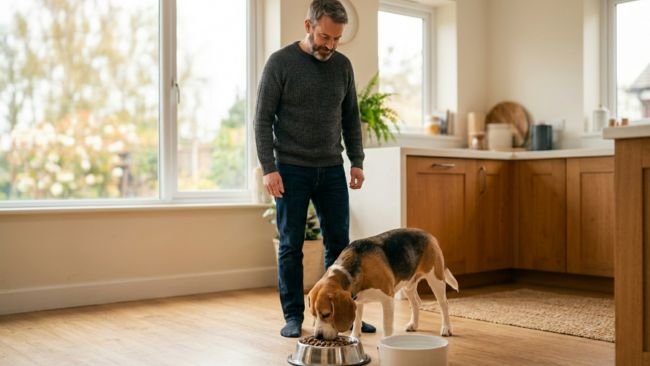
For a more structured breakdown of diet planning, the dog feeding guide explains portion sizes, timing and nutritional balance in detail.
Dog dental health is frequently overlooked, despite being critical to overall wellness. Periodontal disease is one of the most common health conditions in adult dogs and has been linked to systemic health problems including kidney and heart disease. Regular tooth brushing and professional dental cleanings are part of a complete health care routine.
9. Lifelong Responsibility of Dog Ownership – Long Term Commitment Explained
Dogs live on average between ten and fifteen years with some breeds considerably longer. When you adopt a dog, you are making a commitment that spans a significant portion of your life. For anyone asking how to be a responsible dog owner for beginners, this long term perspective is the single most important mindset shift required.
Over the course of that decade or more, your life will change. Relationships may shift, careers may evolve, living situations may change and your own health may present new challenges. The responsible dog owner plans for these eventualities and ensures that, through all of life’s transitions, their dog will continue to be cared for.
As dogs age, their needs change as well. Senior dogs may develop arthritis, vision or hearing loss, cognitive decline or chronic health conditions that require ongoing management and increased veterinary involvement. End of life care, including the deeply difficult decision of euthanasia when a dog is suffering is a responsibility that every dog owner will eventually face.
These realities are not shared to discourage. They are shared because lifelong responsibility is the true hallmark of responsible dog ownership and it deserves to be considered clearly and honestly before a dog becomes part of your family.
10. What Responsible Dog Ownership Looks Like In Real Daily Life
It is one thing to understand the principles of how to be a responsible dog owner in theory, whereas it differes to see what those principles look like when they are lived out day after day. For most responsible dog owners, the daily reality involves a series of small and consistent actions a responsible dog ownership checklist of sorts, that collectively add up to a well cared for animal and a deeply rewarding relationship.
A morning might begin with a walk before work, feeding at the same time each day, a few minutes of training practice and fresh water in the bowl. An evening might include another walk, playtime, a brief grooming check and quiet companionship before bed. Vet appointments are scheduled in advance and kept without negotiation. Training is reinforced consistently. The dog’s environment is kept clean, safe and enriching.
What is also visible in the daily life of a responsible dog owner is attentiveness – the ability to notice when something seems off about your dog’s energy, appetite or behaviour and to respond accordingly. Dogs cannot communicate their discomfort in words. Their body language, habits and behaviour are the language through which they communicate and learning to read that language is a core part of knowing how to take care of a dog properly at home.
Responsible dog ownership is not a destination that is reached once and maintained passively, but an ongoing practice – one that requires commitment, knowledge, patience and love, renewed each day.
Frequently Asked Questions
What are the responsibilities of a dog owner?
The responsibilities of a dog owner include providing proper nutrition and fresh water daily, ensuring regular veterinary care and preventive health treatments, committing to consistent training and socialisation, offering adequate exercise and mental stimulation, creating a safe living environment, meeting the dog’s emotional and social needs, fulfilling legal obligations such as licensing and leash laws and maintaining a long term financial and time commitment to the dog’s wellbeing throughout its life.
How do you become a responsible dog owner?
Becoming a responsible dog owner begins with thorough preparation before adoption. This includes researching breeds suited to your lifestyle, budgeting for the full cost of dog ownership, setting up your home to be safe for a dog and establishing a relationship with a veterinarian. Ongoing responsibility is demonstrated through consistent daily care, proactive health management, continued training and a genuine commitment to your dog’s physical and emotional wellbeing for the entirety of its life.
Is owning a dog a big responsibility?
Yes, owning a dog is a significant and long term responsibility. Dogs are dependent on their owners for every aspect of their physical and emotional wellbeing, including nutrition, health care, exercise, socialisation and companionship. The commitment typically spans ten to fifteen years and requires consistent daily effort. While dog ownership is deeply rewarding, but it is important that the full scope of this responsibility is understood and accepted before bringing a dog home.
What should first time dog owners know?
First time dog owners need to know that preparation is everything. Before adoption, time should be invested in choosing a breed that matches your lifestyle, understanding the financial costs involved and learning the basics of dog training and nutrition. Once a dog is home, consistency is critical in routines, training and veterinary care. First time owners should also be prepared for the lifestyle adjustments that come with dog ownership including reduced spontaneity and increased daily structure.
What do responsible dog owners do daily?
Responsible dog owners provide structured feeding and fresh water at consistent times, ensure adequate exercise through at least two walks per day, reinforce training through brief daily practice, spend quality time bonding with their dog, monitor their dog’s health and behaviour for any signs of illness or distress and maintain a clean and safe living environment. These daily habits, practised consistently, form the foundation of responsible dog ownership.
What are common mistakes dog owners make?
The most common mistakes dog owners make include adopting impulsively without researching breed requirements, skipping or delaying veterinary care, inconsistent or punishment based training, overfeeding without monitoring body weight, failing to socialise a dog during the critical early developmental window and underestimating the financial and time commitment involved. Awareness of these pitfalls is one of the most practical dog ownership tips for beginners.
Decision of bringing a dog into your life should not be made lightly, but with full awareness and genuine commitment. This can be among the most fulfilling choices a person makes. Dogs offer loyalty, companionship and joy in ways that are difficult to describe and impossible to replicate.
What they ask for in return is consistency, care and a lifetime of responsible ownership. Each of the ten responsibilities outlined in this proper dog care guide represents a dimension of that commitment, from the daily routine for responsible dog owners that begins at sunrise to the decades long promise made on adoption day.
At Pettopedia, it is believed that every dog deserves an owner who is truly prepared for that commitment. The information shared here is offered not to discourage, but to equip. A well prepared owner is the foundation of a well cared for dog and a dog that is genuinely well cared for is one of the great joys this world has to offer.
If you found this article helpful, feel free to explore dogs category where each piece has been developed to support you in becoming the most informed and responsible dog owner you can be.
By Pettopedia Editorial Team
Pet Care Research & Content Team
Pettopedia Editorial Team is dedicated to helping pet parents make informed and confident decisions for their pet companions. Our articles are created through in depth research, practical insights with a strong understanding of animal behavior, nutrition and everyday pet health needs. Each piece is written to provide clear, reliable and actionable guidance that pet parents can trust.
Every Pettopedia article is carefully reviewed and updated to ensure accuracy, relevance and alignment with current pet care best practices. By combining a structured, long term content roadmap with a commitment to authenticity, Pettopedia aims to be the definitive digital encyclopedia for the modern pet parent. We aim to deliver content that is not only informative but also genuinely helpful in real life situations, which will help you and your pets thrive.